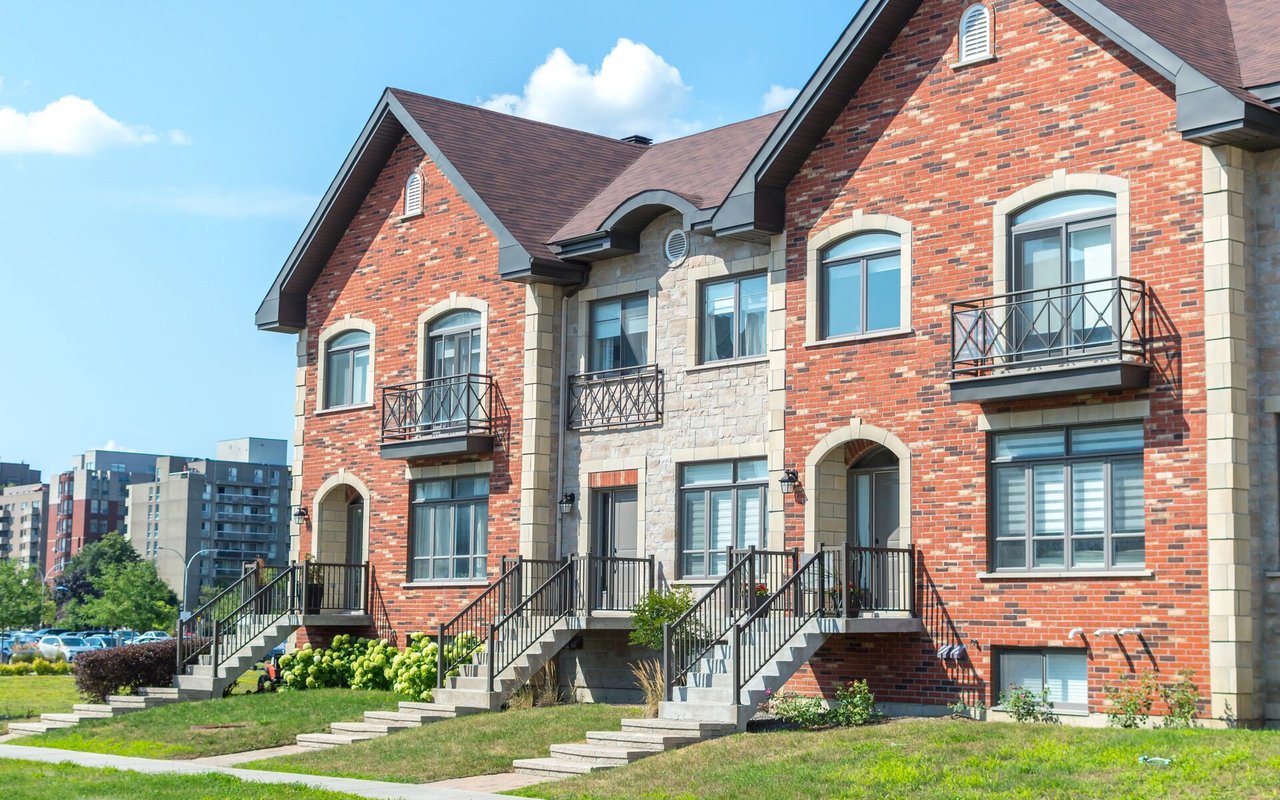
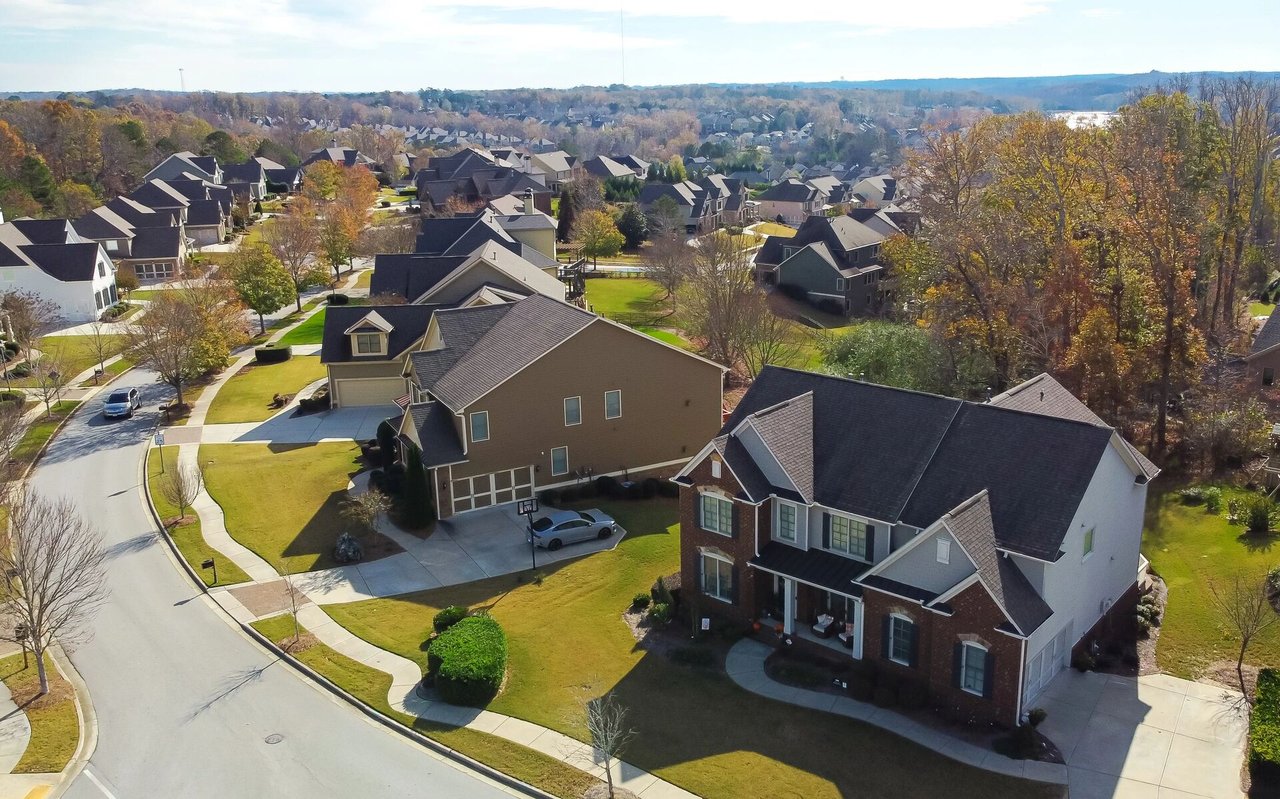
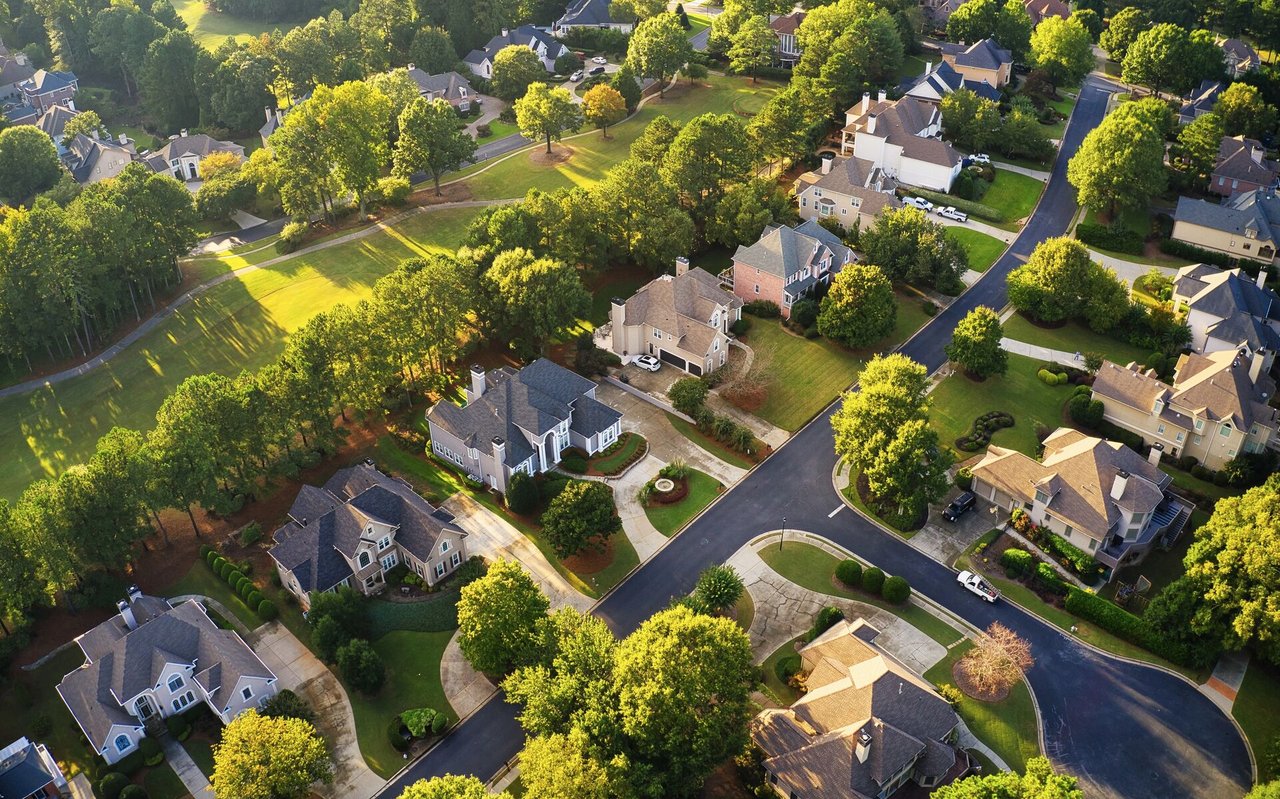
Buffalo is a lakeside city in Western New York on the eastern shore of Lake Erie, known for historic architecture, Olmsted-designed parks, walkable neighborhoods, and a revitalized waterfront. Homes for sale in Buffalo NY range from Victorian houses in Allentown and brick homes in Parkside to downtown lofts and newer builds. The greater Buffalo area, including nearby suburbs such as Amherst and Cheektowaga, has about 585,000 residents, while the City of Buffalo itself has about 275,000. As of August 2026, the City of Buffalo median sale price was about $230,000.
| Fact | Detail |
|---|---|
| Location | Western New York, on Lake Erie and the Niagara River |
| Population, Buffalo area (Census) | 585,352 |
| Population, City of Buffalo (2025 estimate) | 274,613 |
| Median age, Buffalo area (Census) | 38.1 years |
| Households, Buffalo area (Census) | 254,898, average size 2.09 |
| Average individual income, Buffalo area (Census) | $37,064 |
| Population density, Buffalo area (Census) | 5,551 people per square mile |
| Median sale price, City of Buffalo (Aug 2026) | $229,848 |
| Median days on market, City of Buffalo (Aug 2026) | 15 |
| Median owner-occupied home value, City of Buffalo | $164,200 |
| Median gross rent, City of Buffalo | $1,046 |
| Mean commute to work, City of Buffalo | 19.9 minutes |
| Walk, Bike, and Transit Scores | Walk Score 55 (somewhat walkable), Bike Score 43 (somewhat bikeable), Transit Score 37 (some transit) |
| School district (City of Buffalo) | Buffalo Public Schools |
"Buffalo area" figures are the U.S. Census Bureau data used for this neighborhood guide and cover the greater Buffalo area, including nearby suburbs. "City of Buffalo" figures cover city limits. Sources: Redfin market data (August 2026), U.S. Census Bureau QuickFacts (city population 2025 estimate, housing and commute data 2020 to 2024), and Walk Score.
Buffalo is a city of distinct neighborhoods, from historic avenues and arts districts to park-side streets and a growing downtown. The table below compares the main residential areas.
| Area | Vibe & Atmosphere | Primary Housing Types | Best For | Key Attractions |
|---|---|---|---|---|
| Elmwood Village | Lively, walkable, boutique and cafe corridor | Older historic houses and newer single-family homes | Buyers who want a walkable urban neighborhood | Elmwood Avenue, Bidwell Parkway, Saturday farmers market, summer concert series, nearby Delaware Park |
| Allentown | Historic, artistic, nightlife-friendly | Victorian, Italianate, and Second Empire homes | Buyers who love historic character and dining | Galleries, restaurants, Allentown Art Festival |
| Delaware District | Stately, historic, established | Historic houses and apartments within a historic district | Buyers seeking historic architecture near the park | Delaware Avenue Historic District, Theodore Roosevelt Inaugural National Historic Site, Delaware Park |
| North Buffalo, North Park & Parkside | Residential, park-adjacent, community-oriented | Bungalows, brick-exterior homes, historic estates | Families and buyers who want park access | Delaware Park, Buffalo Zoo, Buffalo History Museum, North Park Theatre, Darwin Martin House |
| Downtown & Canalside | Urban, active, waterfront | Historic buildings, lofts, high-rise apartments | Buyers who want city living and entertainment | Canalside, KeyBank Center, dining and sports venues |
Living in Buffalo combines big-city culture with lakefront scenery and a strong sense of community, and the city has seen sustained investment since the 1990s, beginning in Elmwood Village.
From historic avenues to the lakefront, Buffalo NY real estate offers a wide range of settings. Buyers browsing houses for sale in Buffalo NY often compare Elmwood Village and Allentown with park-side neighborhoods and nearby suburbs such as Williamsville, Clarence, and East Aurora.
Residential properties in Buffalo NY cater to diverse lifestyles and budgets:
Within city limits, about 43.0% of Buffalo homes are owner-occupied, according to Census data. Whether you are ready to buy Buffalo homes, explore real estate in Buffalo NY, or compare homes for sale in Buffalo NY with the suburbs or with a day trip to nearby Niagara Falls, an experienced local advisor makes the search smoother.
Buffalo is a competitive market. As of August 2026, the City of Buffalo median sale price for Buffalo NY homes was $229,848, up 2.8% from last year, and homes typically sold in about 15 days. Redfin's Compete Score for Buffalo was 80 out of 100, which Redfin rates as very competitive. Because this is a citywide figure, prices vary widely by neighborhood and property type, and luxury homes in the Buffalo area, including Amherst and Clarence, sell well above it.
| Metric (August 2026) | City of Buffalo | Change vs. Last Year |
|---|---|---|
| Median sale price | $229,848 | Up 2.8% |
| Median days on market | 15 | Up 2 days |
| Homes sold above list price | 61.0% | Up 0.6 points |
| Sale-to-list price ratio | 104.2% | Down 0.6 points |
| Homes sold | 561 | Up 7.9% |
For buyers, this means being pre-approved and ready to move quickly on Buffalo NY real estate in sought-after neighborhoods. For sellers, steady demand and rising prices support well-priced, well-presented listings. A local advisor can help you read neighborhood-level trends.
Buffalo pairs historic architecture and Olmsted-designed parks with walkable neighborhoods like Elmwood Village and Allentown, a strong healthcare and university base, and a mean commute of under 20 minutes. A City of Buffalo median sale price near $230,000 keeps many homes attainable.
The City of Buffalo has about 274,600 residents (Census Bureau 2025 estimate). The greater Buffalo area, including nearby suburbs such as Amherst and Cheektowaga, has about 585,000 residents, with a median age of 38.1 and about 254,900 households.
Buffalo is about 86 miles from Rochester by road, roughly a 2-hour drive. Buffalo sits on the eastern shore of Lake Erie where the Niagara River begins, close to Niagara Falls and suburbs such as Amherst, Clarence, and East Aurora.
Residents enjoy Delaware Park and the Olmsted park system, the Darwin Martin House, Canalside, the Buffalo Zoo, summer events like the Allentown Art Festival and Taste of Buffalo, and Buffalo Bills and Sabres games.
Competitive. In August 2026, 61.0% of Buffalo homes sold above list price, the median home spent 15 days on the market, and the average sale-to-list price ratio was 104.2%. Well-priced homes in popular neighborhoods often draw multiple offers.
Allentown, the Delaware District, Elmwood Village, and Parkside are known for historic architecture. Allentown features Victorian, Italianate, and Second Empire homes, and the Delaware District includes the Delaware Avenue Historic District with nine individually listed National Register sites.
The Buffalo Public Schools serve the city with more than 30,000 PreK-12 students and over 60 school campuses. The district includes criteria-based schools such as City Honors and the Frederick Law Olmsted School, and the city is home to several colleges and universities.
Buffalo offers historic single-family homes, brick-exterior homes in Parkside, bungalows in North Buffalo, apartments and lofts downtown, and newer single-family homes in Elmwood Village. Nearby suburbs such as Williamsville, Clarence, and Orchard Park offer larger lots and newer builds.
Looking to buy or sell in Buffalo? High Falls | Sotheby's International Realty brings regional expertise, world-class marketing, and personalized client care to every transaction.
585,352 people live in Buffalo, where the median age is 38.1 and the average individual income is $37,064. Data provided by the U.S. Census Bureau.
Total Population
Median Age
Population Density Population Density This is the number of people per square mile in a neighborhood.
Average individual Income
There's plenty to do around Buffalo, including shopping, dining, nightlife, parks, and more. Data provided by Walk Score and Yelp.
Explore popular things to do in the area, including Burger King, Wahl Candies, and Tim Hortons.
| Name | Category | Distance | Reviews |
Ratings by
Yelp
|
|---|---|---|---|---|
| Dining · $ | 0.2 miles | 0 reviews | 0/5 stars | |
| Dining | 0.23 miles | 0 reviews | 0/5 stars | |
| Dining · $ | 0.45 miles | 15 reviews | 1.9/5 stars | |
| Dining | 0.47 miles | 1 review | 3/5 stars | |
| Dining | 0.49 miles | 4 reviews | 2.8/5 stars | |
| Dining | 0.74 miles | 0 reviews | 0/5 stars | |
| Dining | 0.8 miles | 0 reviews | 0/5 stars | |
| Dining | 0.84 miles | 1 review | 2/5 stars | |
| Dining | 0.86 miles | 0 reviews | 0/5 stars | |
| Dining | 1 miles | 0 reviews | 0/5 stars | |
| Dining | 1.02 miles | 0 reviews | 0/5 stars | |
| Shopping | 0.22 miles | 0 reviews | 0/5 stars | |
| Active | 0.42 miles | 0 reviews | 0/5 stars | |
| Active | 0.43 miles | 0 reviews | 0/5 stars | |
| Active | 1.02 miles | 1 review | 4/5 stars | |
| Beauty | 0.22 miles | 0 reviews | 0/5 stars | |
| Beauty | 0.32 miles | 0 reviews | 0/5 stars | |
| Beauty | 0.56 miles | 0 reviews | 0/5 stars | |
| Beauty | 0.8 miles | 0 reviews | 0/5 stars | |
| Beauty | 0.81 miles | 0 reviews | 0/5 stars | |
| Beauty | 0.83 miles | 1 review | 4/5 stars | |
| Beauty | 0.89 miles | 0 reviews | 0/5 stars | |
| Beauty | 0.98 miles | 0 reviews | 0/5 stars | |
| Beauty | 1.03 miles | 0 reviews | 0/5 stars | |
|
|
||||
|
|
||||
|
|
||||
|
|
||||
|
|
||||
|
|
Buffalo has 254,898 households, with an average household size of 2.0889285714285712. Data provided by the U.S. Census Bureau. Here’s what the people living in Buffalo do for work — and how long it takes them to get there. Data provided by the U.S. Census Bureau. 585,352 people call Buffalo home. The population density is 5,551 and the largest age group is Data provided by the U.S. Census Bureau.
Total Population
Population Density Population Density This is the number of people per square mile in a neighborhood.
Median Age
Men vs Women
Population by Age Group
0-9 Years
10-17 Years
18-24 Years
25-64 Years
65-74 Years
75+ Years
Education Level
Total Households
Average Household Size
Average individual Income
Households with Children
With Children:
Without Children:
Marital Status
Blue vs White Collar Workers
Blue Collar:
White Collar: