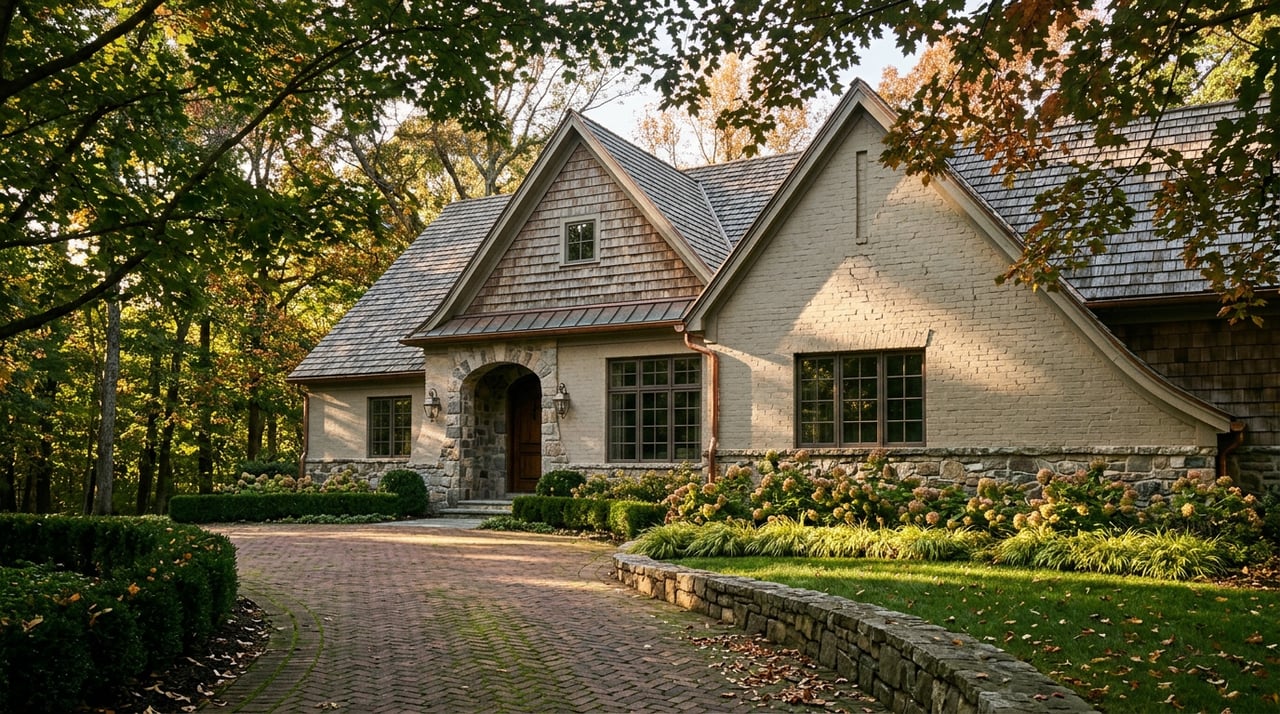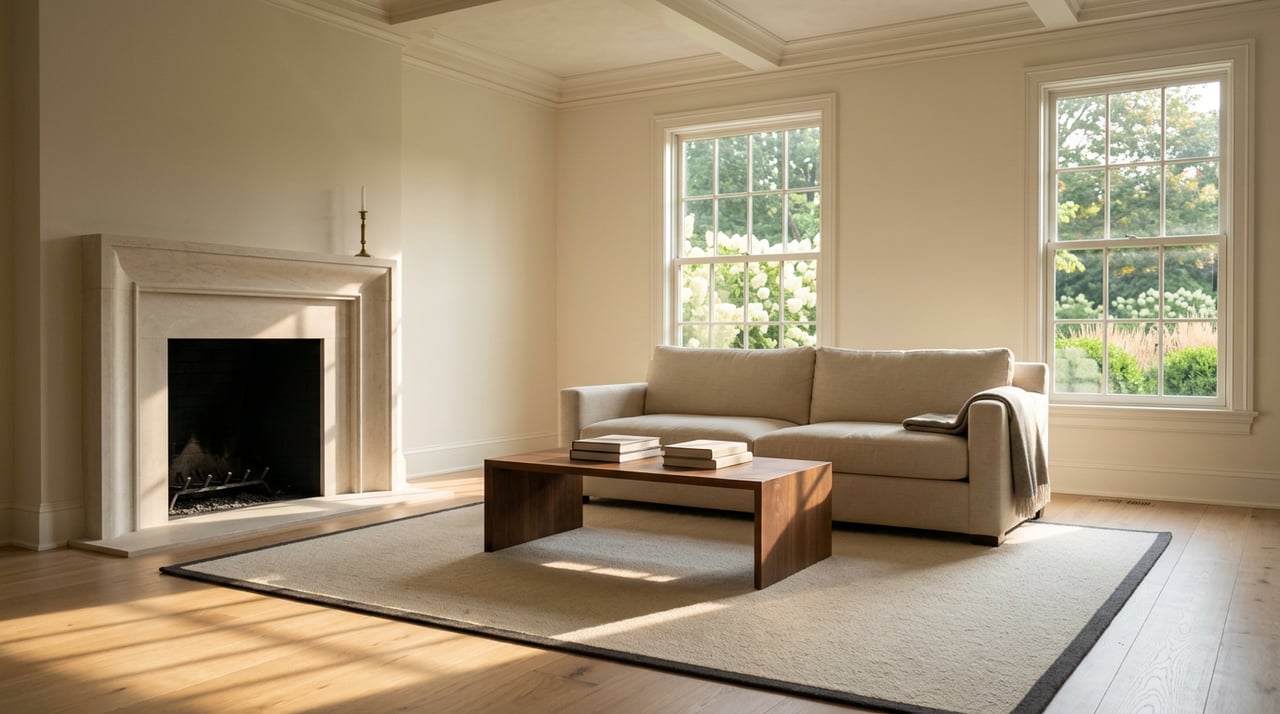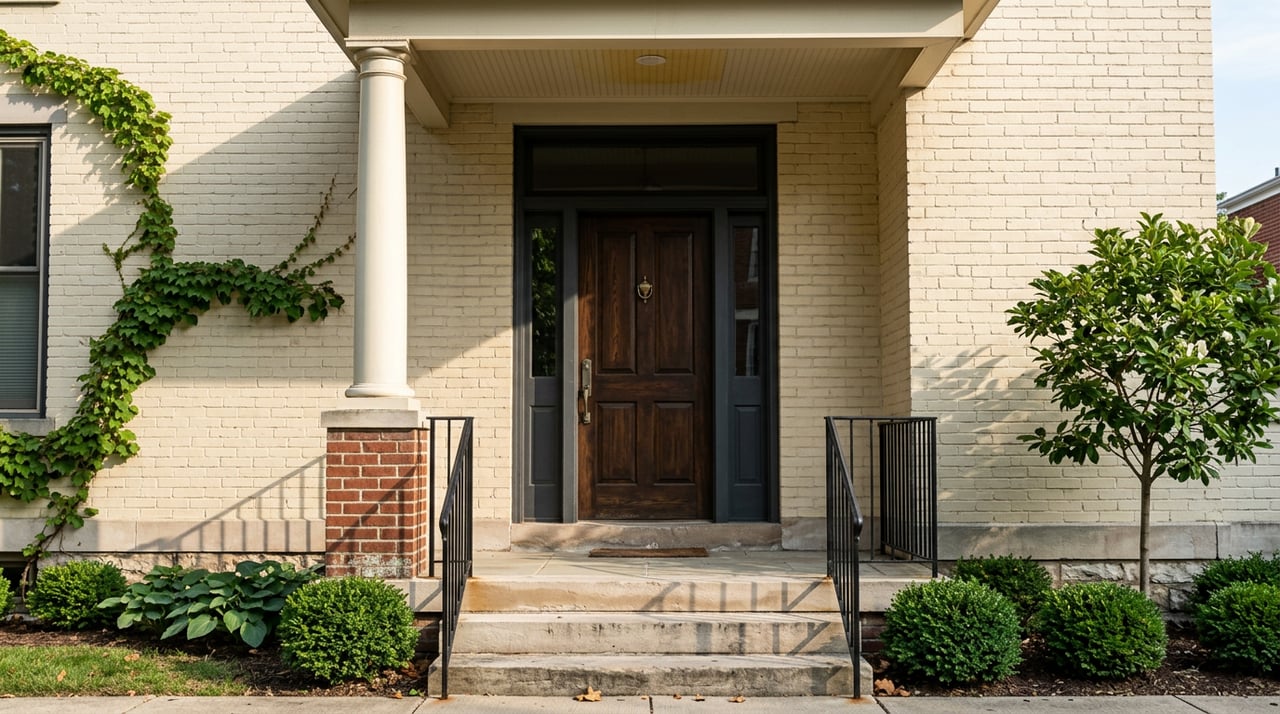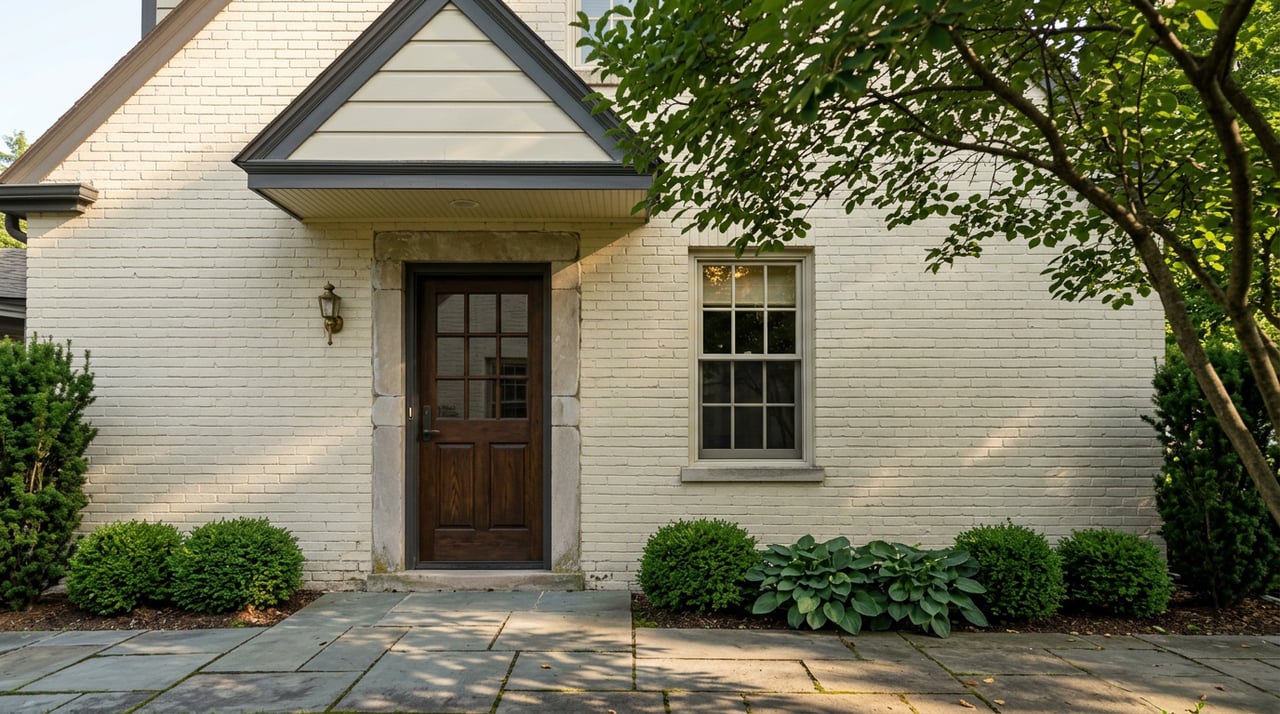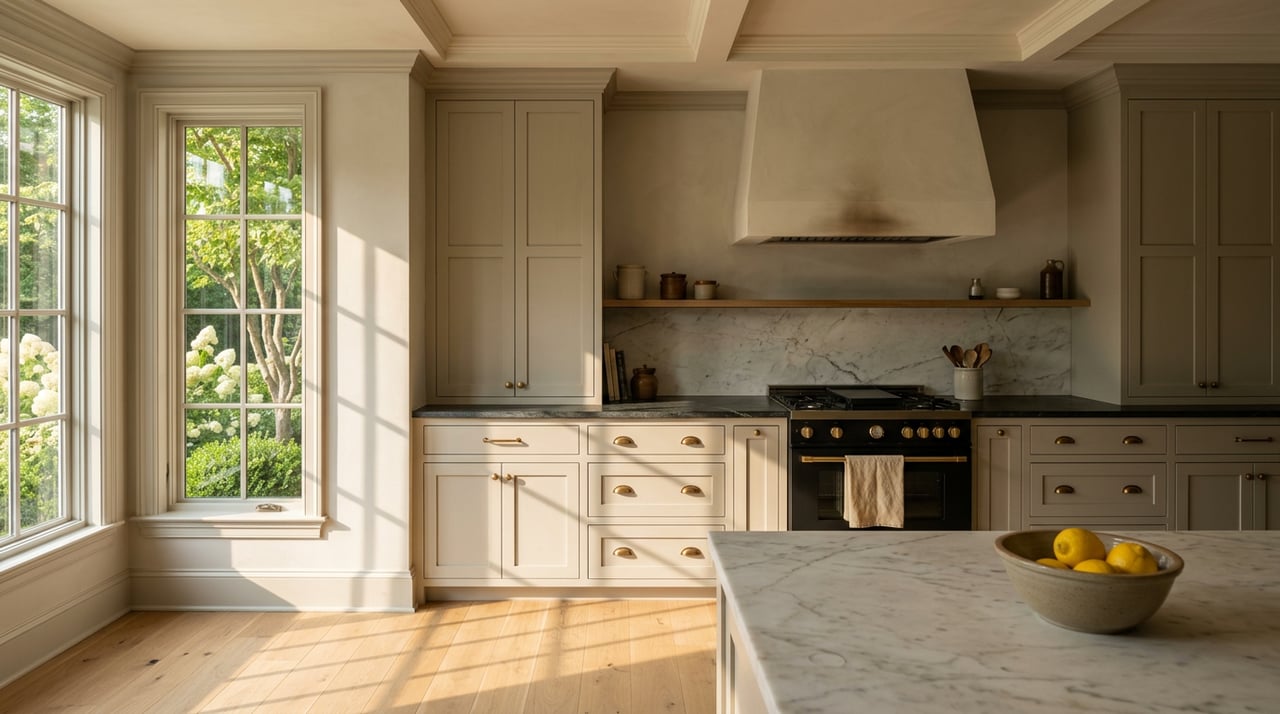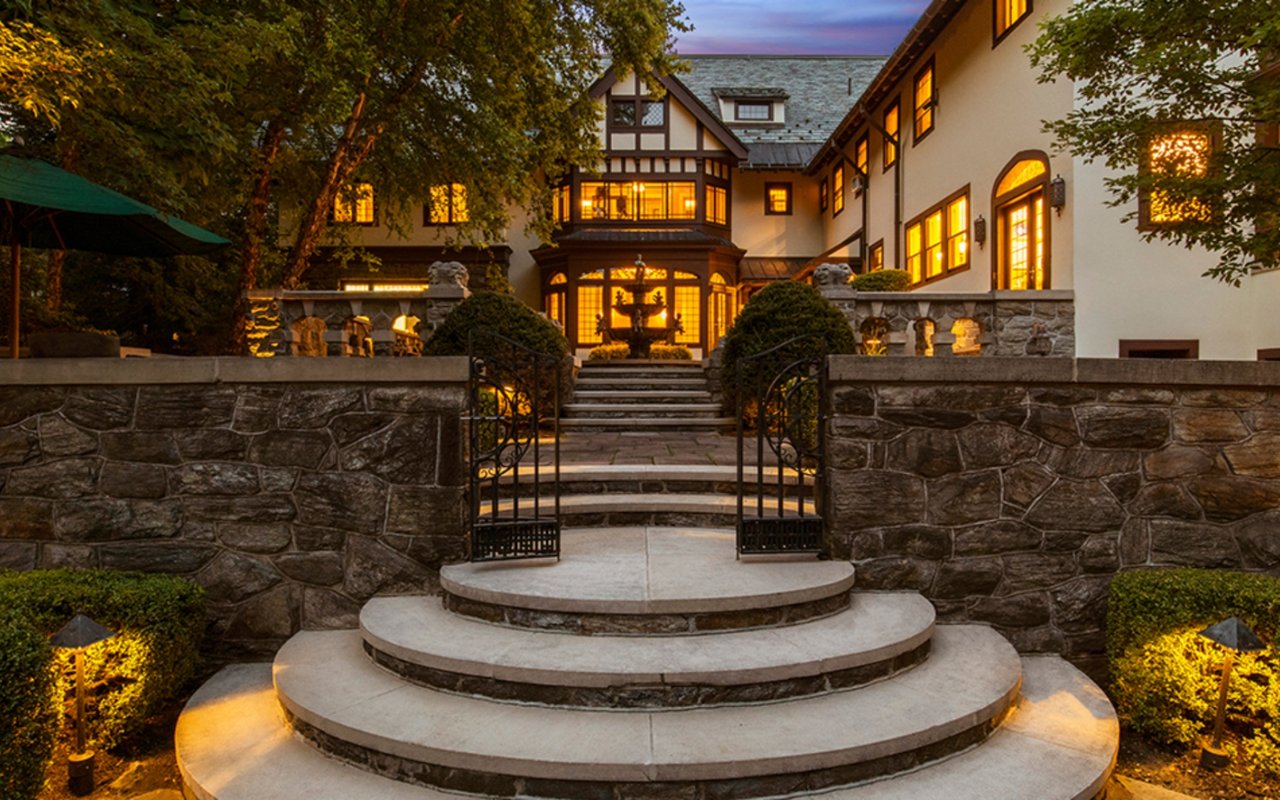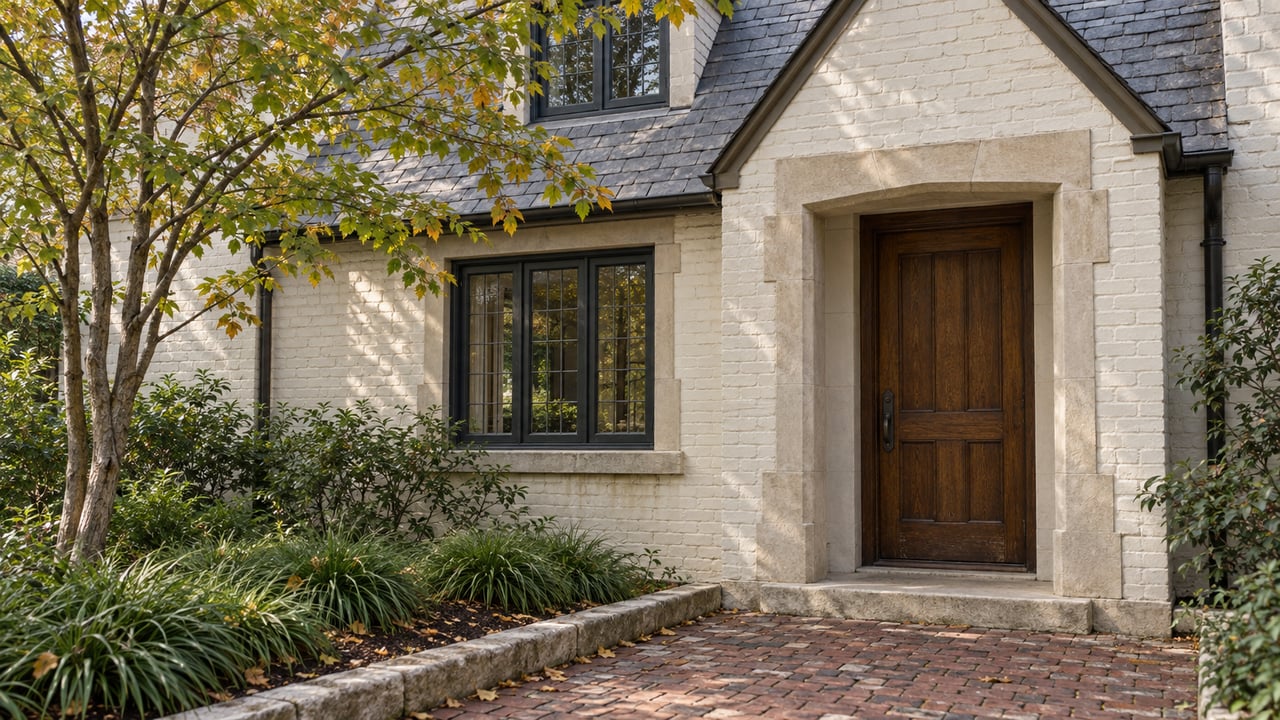
Walk past 759 Park Avenue on any given evening and you'll see the same thing you've seen for years: dark upper floors, a century-old brick facade that hasn't been touched since it stopped being a hospital, and the quiet hum of the Yeshiva of Rochester operating out of what's left of the usable space. Then you keep walking, past Roux, past Dorado, past Vern's, and the block turns lively again. That contrast could change if the hotel proposal moves forward, bringing a hotel and restaurant use to the block near the existing businesses.
Restaurants Near the Proposed Hotel
Before you get to the hotel plan, it helps to know who's proposing it. Restaurateur Jon Swan already operates five spots in a tight run on Park Avenue:
- Roux, a French restaurant and craft cocktail bar at 688 Park Ave.
- Dorado at 690 Park Ave.
- Vern's at 696 Park Ave.
- Leonore's at 703 Park Ave.
- Bevy at 729 Park Ave.
The five restaurants are within a few hundred feet of one another, near the proposed hotel site. Swan is partnering with fellow restaurateur Chuck Cerankosky, who runs Good Luck, Cure at the Public Market, Radio Social, Jackrabbit Club, Lucky's and Martine elsewhere in the city, and with Dan Goldstein, CEO of Royal Oak Realty Trust, who already co-owns real estate on the street with Swan. The proposal brings that partnership to the long-vacant property.
WXXI reported that the plan, filed under the entity 759 Park Ave Partners LLC, would convert the long-vacant buildings at 759, 771 and 775 Park Ave into a 42-room boutique hotel with a restaurant, outdoor dining and a possible day spa. Swan has pointed to The Maker Hotel in Hudson, New York as a reference point for the feel he wants, while Goldstein has cited the Hotel Chelsea in Manhattan as an inspiration, though not for its price tag. The portion of the complex closest to Brunswick Street, at 775 Park Ave, would stay apartments.
What Almost Happened Instead
The current proposal isn't the first attempt to do something with this building, and that history matters more than the renderings do. According to WXXI's reporting, Swan and Cerankosky are "the latest to propose redeveloping the building." Speaking to the city's Planning Commission earlier this year, John Lembach, vice president of the Park-Meigs Neighborhood Association, referenced an earlier concept for the site.
"That did not sit well with the general neighborhood up and down Park Avenue," Lembach said, before adding of the current plan, "This proposal makes a lot more sense."
Marianne Pastecki, president of the Park Avenue Neighborhood Association, wrote a letter of support calling the project one that would "revitalize a long-neglected property and structure, contributing to the economic and social health of the neighborhood." The Park Avenue Merchants Association was also part of the conversations, and the developers met with both neighborhood groups before making anything public. The Planning Commission recommended approval in February, while an earlier concept had apparently drawn neighborhood pushback.
What Got Approved, and What It Costs
Rochester City Council took up the rezoning request at its April 2026 meeting, the step that would allow the former hospital to legally become a hotel and restaurant space. The project still needed a special use variance on top of that, and as of the spring reporting, the developers had not yet closed on five adjoining parcels, including parking lots, that the plan depends on.
By May 15, 2026, the numbers got sharper. The City of Rochester backed a request to the County of Monroe Industrial Development Agency for tax incentives tied to the project's $29.252 million total cost. The package includes an 18-year PILOT (payment in lieu of taxes) worth $3,860,677, a sales tax exemption of $885,746 and a mortgage recording tax exemption of $165,075. The development team listed in the COMIDA application includes Goldstein, Swan and Cerankosky operating through JAYCEE Real Estate LLC, along with Rufus Judson and William Tehan of 24 Cambridge Partners LLC.
The application projects 45 full-time and 25 permanent part-time jobs once the hotel opens, and an economic analysis by MRB Group put the benefit-to-cost ratio at 24 to 1. Cerankosky told the Planning Commission the goal is utilizing the space better, not changing what Park Avenue is. "We are not trying to change how Park Avenue functions," he said, according to meeting minutes. "We'll be utilizing the space better to bring new life to the neighborhood." Hanlon Architects produced the renderings the city has been working from.
What Stays the Same
The building's current tenant, the Yeshiva of Rochester, plans to relocate to Brighton once its new site is complete, and the parties are finalizing the sale of the Park Avenue property as part of that move. The 775 Park Ave portion nearest Brunswick Street is slated to remain residential, so this isn't a full loss of housing stock on that end of the block. Once a hospital, the complex has spent recent decades as a mix of apartments and institutional space, and the new plan keeps at least part of that residential use intact rather than converting the entire footprint to hospitality.
What isn't settled yet, based on the spring reporting, is the exact number of restaurants inside the hotel, the final scope of the spa, and the construction timeline once the remaining parcels close. Those are the kinds of details that tend to firm up as a project moves from COMIDA approval into permitting and construction financing.
What It Means Walking the Block
If you live on or near Park Avenue, the practical version of this story is simpler than the financing structure. A building that's sat mostly dark for years is on a real path toward reopening, with tax incentives attached and a development team that already has a track record on this exact street. That kind of neighborhood engagement matters in a city where rezoning fights can stretch for years.
It also means more foot traffic on a stretch that already draws people for dinner, and a hotel guest base that Goldstein has said is meant to fit the neighborhood's pace rather than import a downtown-convention crowd. "This is not just for outsiders," he said in the RBJ's April coverage. "The restaurant will be warm and welcoming and melt into the fabric of the neighborhood." Whether that holds once the doors open is something only time on the block will answer. For now, the paperwork shows the proposal moving forward, and the people behind it are the same names already on five storefronts a few doors down.
For a closer look at the wider City of Rochester real estate picture beyond Park Avenue, our neighborhood guide covers what's shaping value and demand across the city's other pockets.
If you're curious how a project like this could shift what a Park Avenue property is worth, or you're weighing a move onto or off the street while it's mid-transformation, High Falls | Sotheby's International Realty knows this stretch of Rochester block by block. Reach out and we'll walk you through what it actually means for your address.
This article is general information, not legal, tax or financial advice. Consult a qualified professional about your situation.