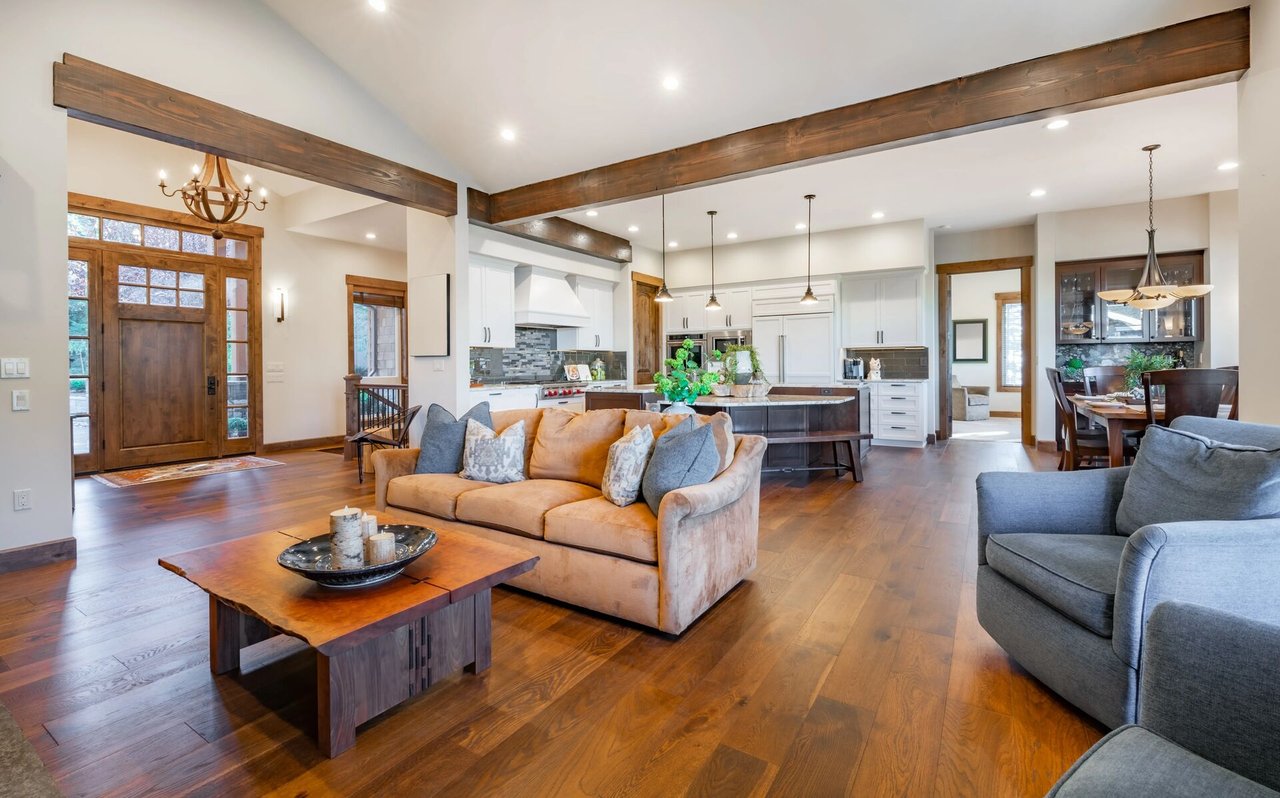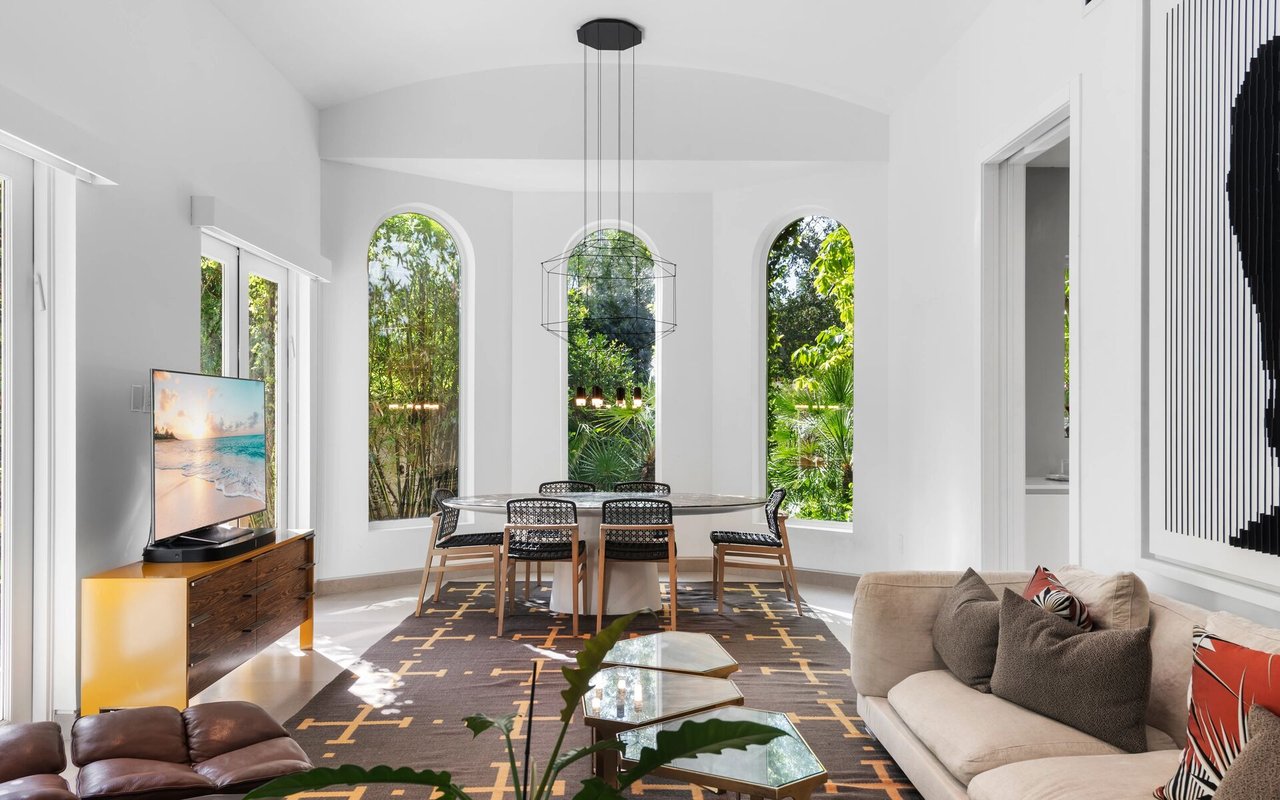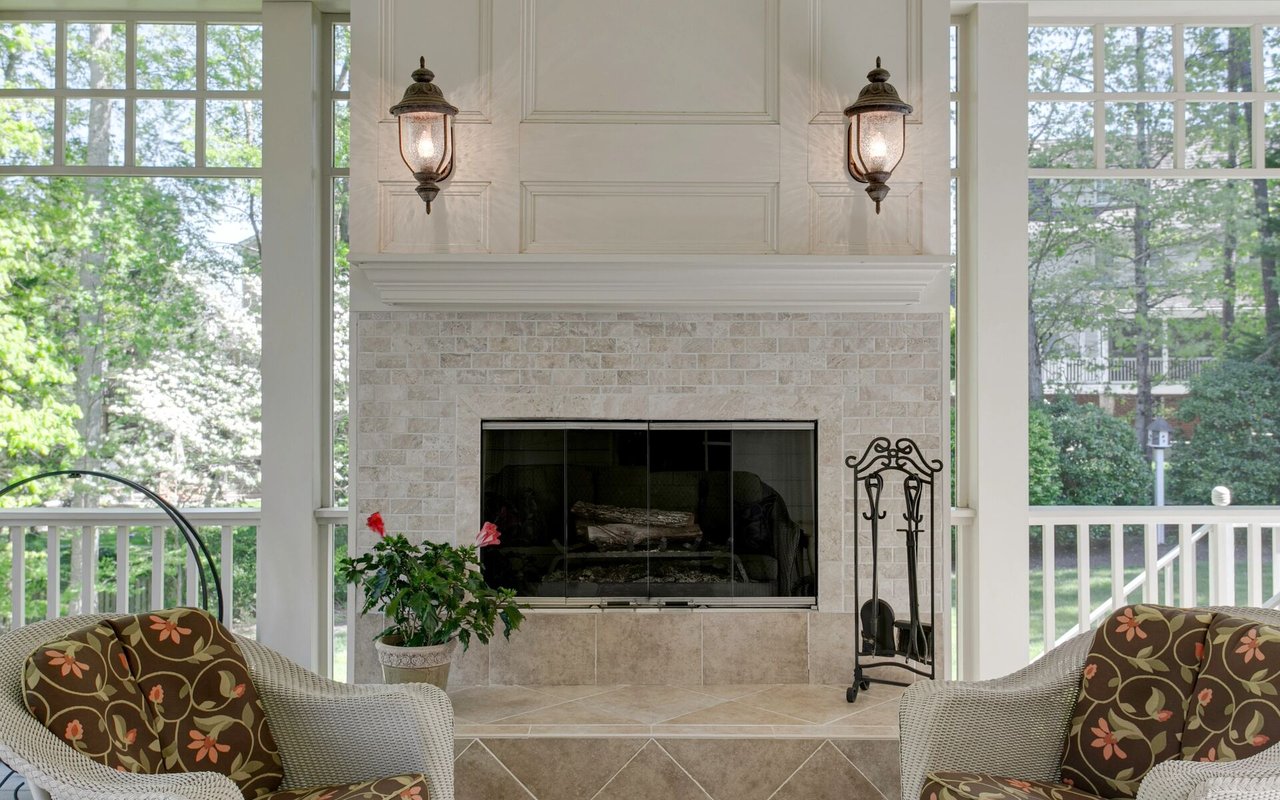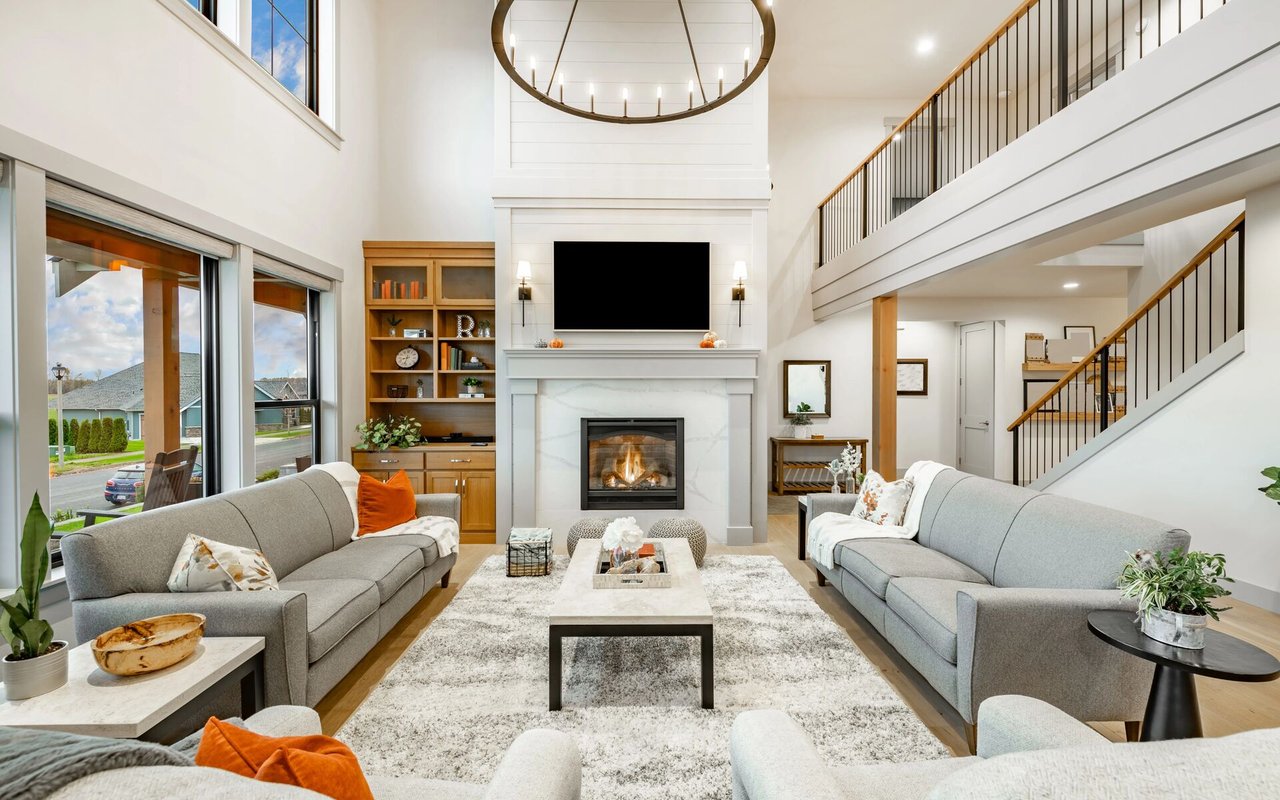
Wondering why Brighton keeps coming up whenever people talk about desirable places to live near Rochester? You are not imagining it. This inner-ring suburb has built a strong reputation through a mix of established neighborhoods, varied home styles, short commute times, and everyday access to trails, parks, and local amenities. If you are trying to understand what makes Brighton so competitive, this guide will walk you through the story and what it means for you as a buyer or seller. Let’s dive in.
Why Brighton Gets So Much Attention
Brighton stands out because it offers a suburban setting close to Rochester without feeling disconnected from the metro area. According to U.S. Census QuickFacts for Brighton, the town has 36,618 residents across 15.41 square miles, giving it a compact footprint compared with many suburban communities.
That scale matters when you are thinking about daily life. Brighton combines established residential streets with access to major roads, nearby city destinations, and community amenities that support a convenient routine. The same Census profile shows a median household income of $85,467, a median owner-occupied home value of $282,100, and an owner-occupied housing rate of 56.4%.
Just as important, Brighton is not a newly created suburb still defining itself. The Town of Brighton history page explains that the area shifted from farm tracts into suburban housing during the 20th century and became known as Monroe County’s premier suburb. Today, it is largely built out, which helps explain why available homes can feel limited and why location within town matters so much.
Brighton’s Growth Shaped Its Appeal
Brighton’s popularity did not happen overnight. Its development pattern goes back decades, with residential tracts such as Houston Barnard, Homeacres, and Roselawn already underway by the 1920s, according to the town’s history.
That long timeline gave Brighton something many buyers want but cannot always find in newer areas: a lived-in feel. Instead of repeating the same subdivision design block after block, you see a community shaped over time. That creates more visual variety, more mature landscaping, and more distinct pockets within town.
A town planning report also notes that Monroe Avenue developed earlier than East Avenue and Henrietta Road in part because of its proximity to the Erie Canal. For you, that means Brighton’s connection to the canal is less about waterfront living and more about transportation history, regional access, and trail connections that still influence how people move through the area today.
Housing Styles Are Part of the Draw
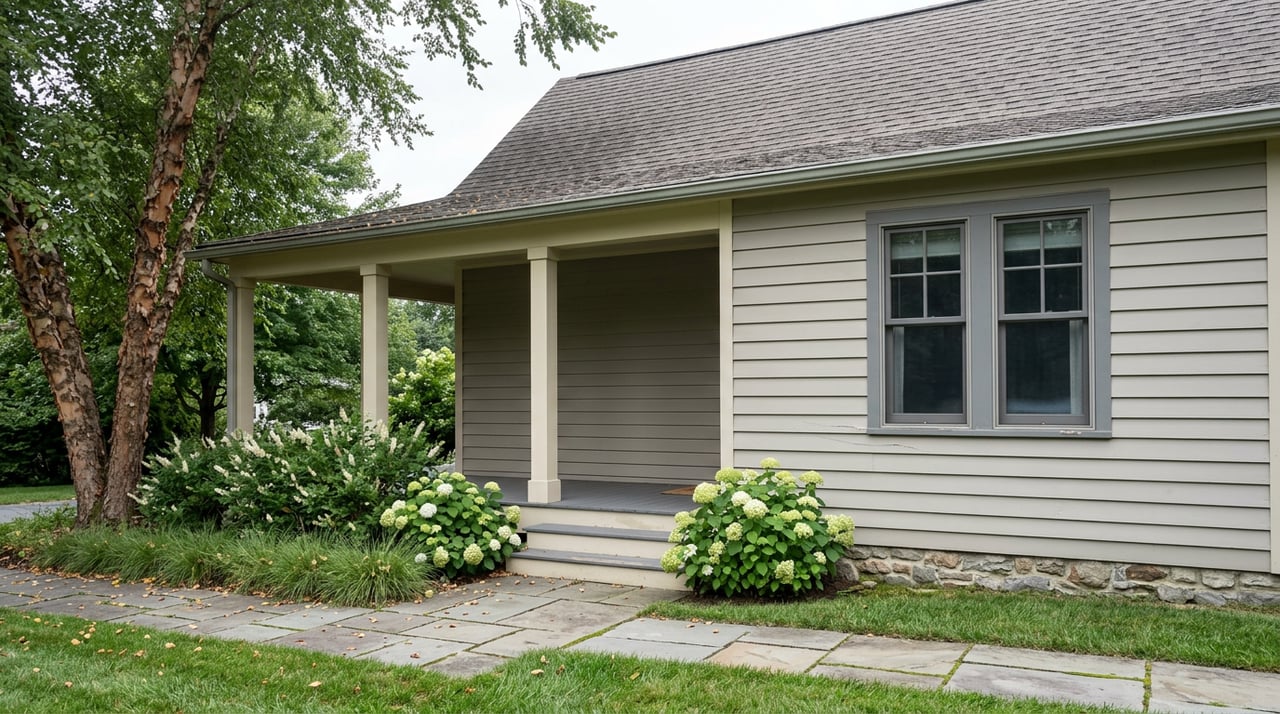
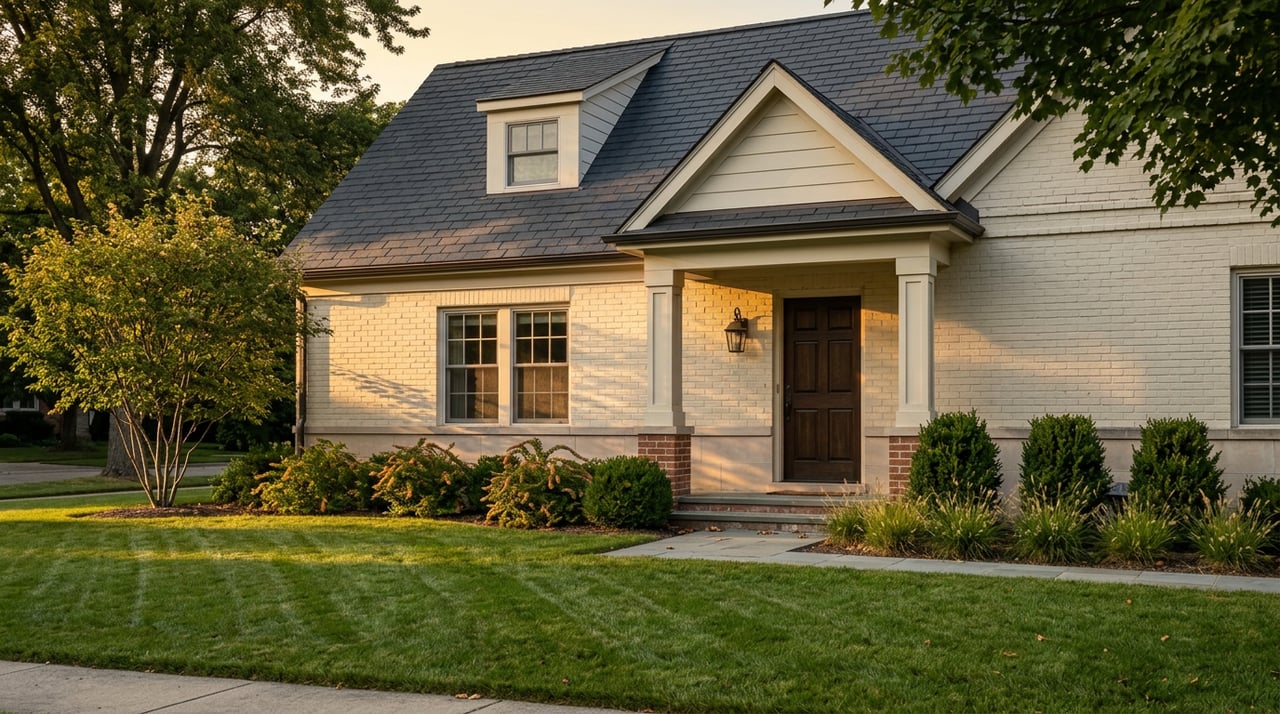
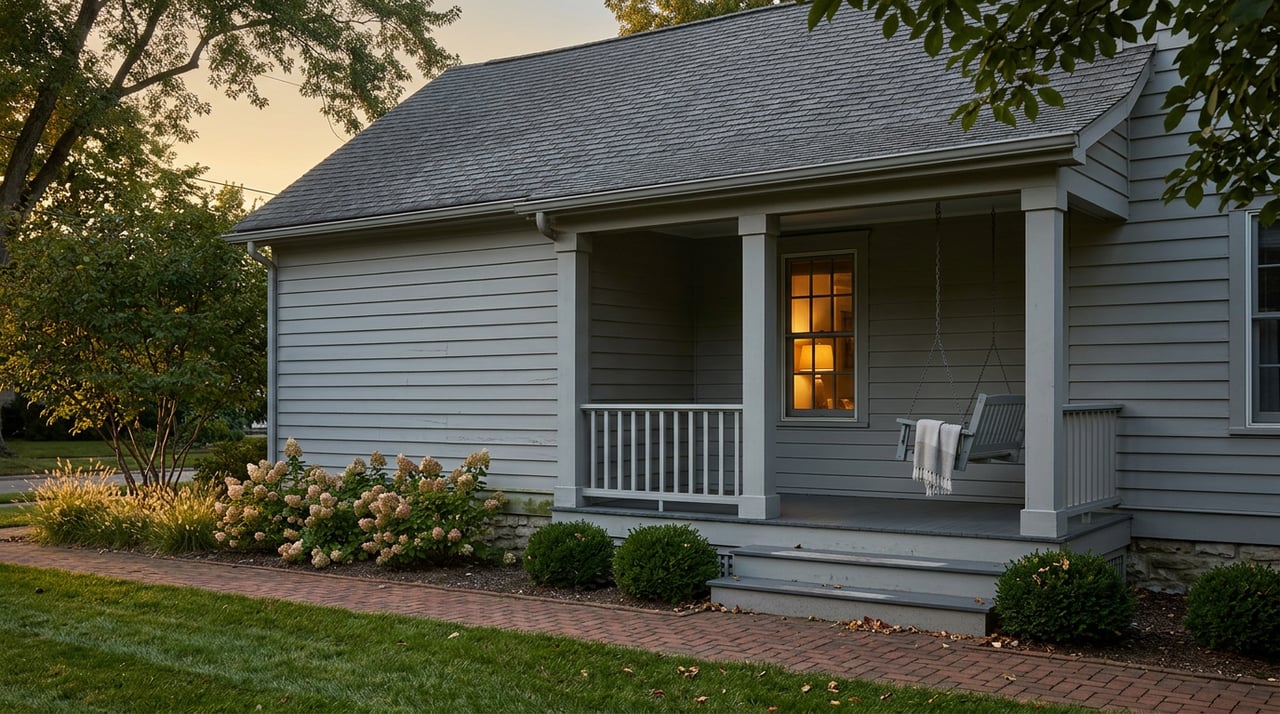
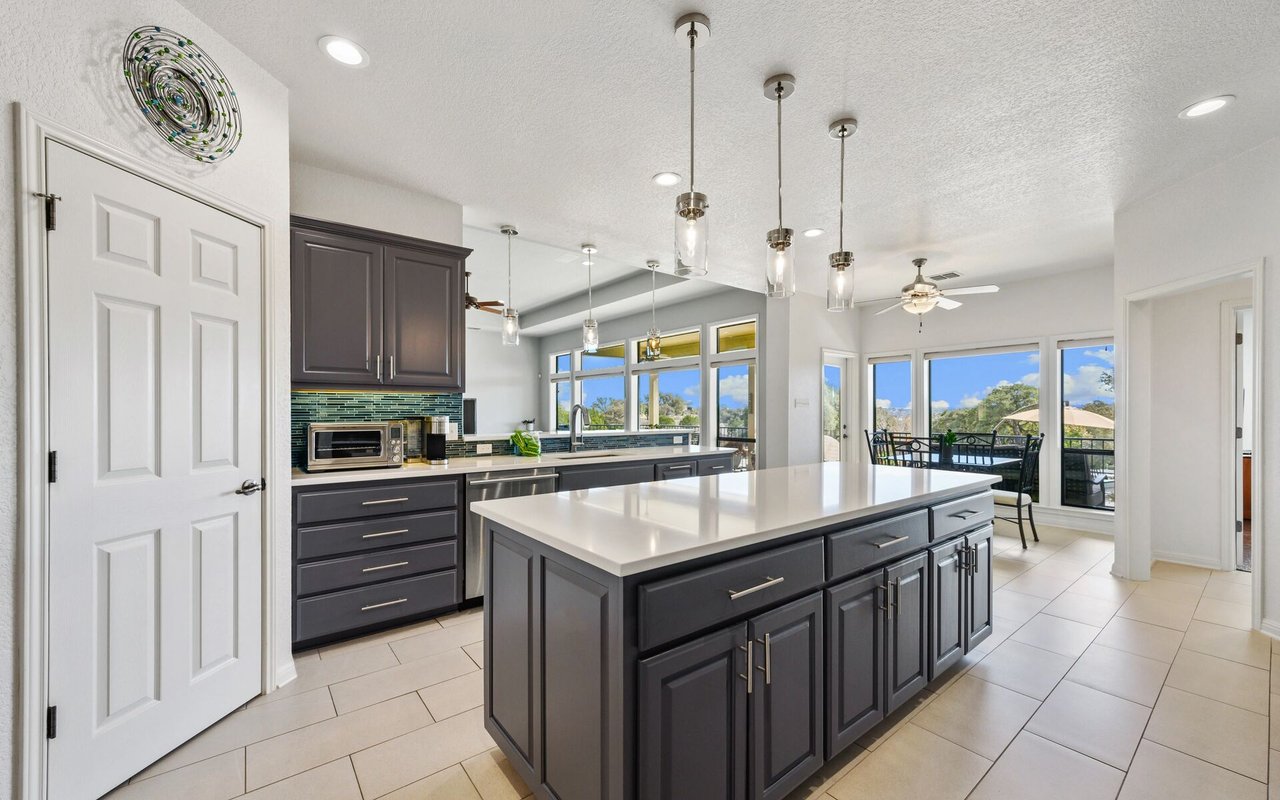
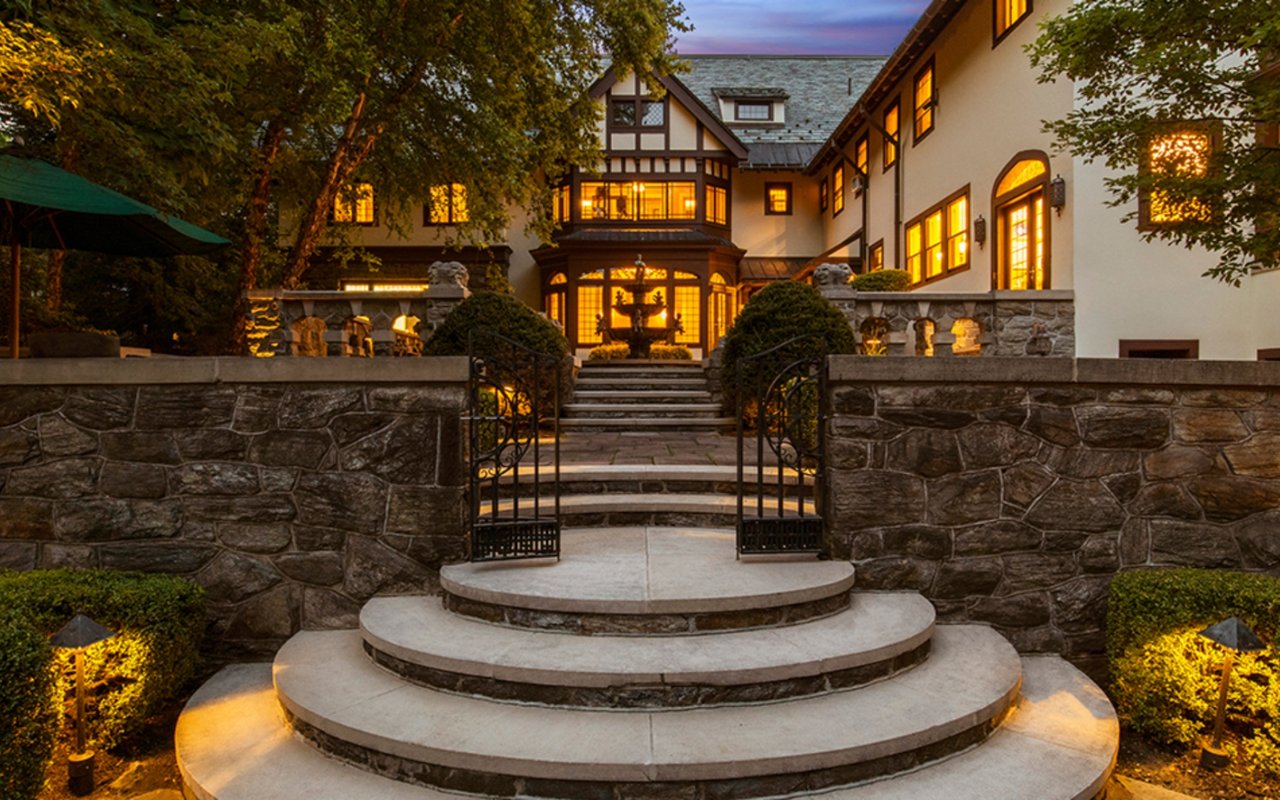
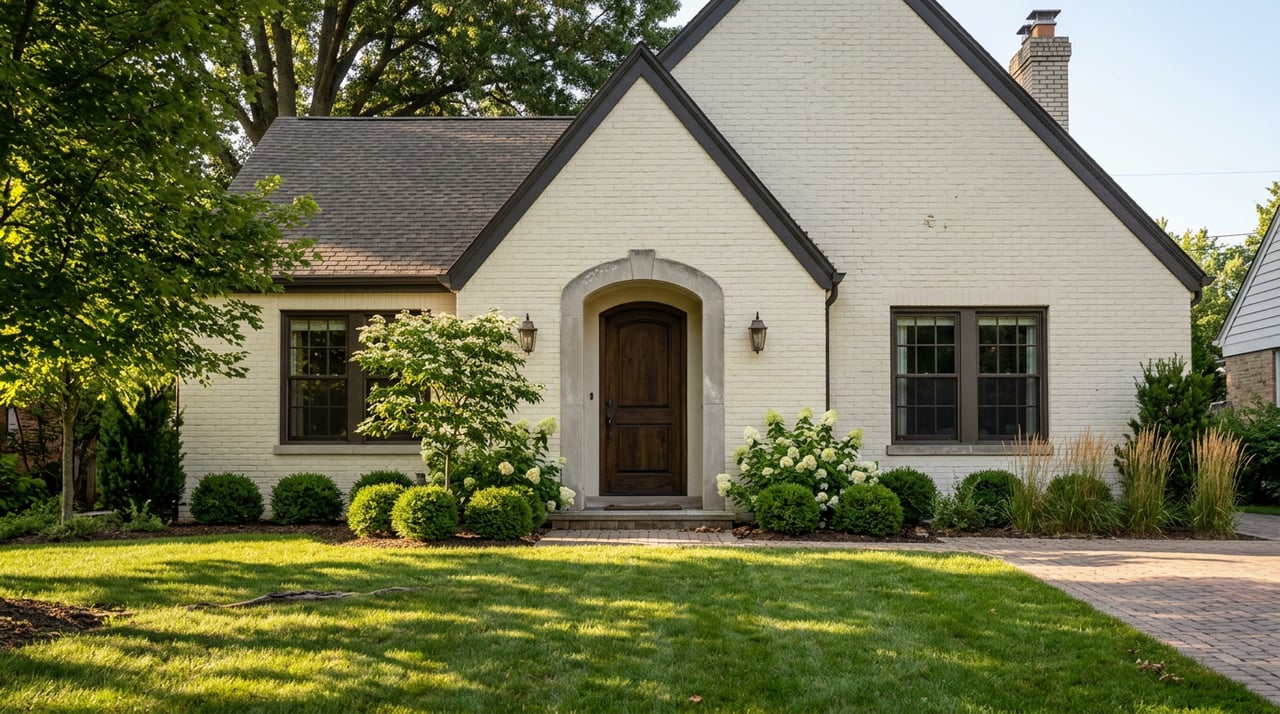
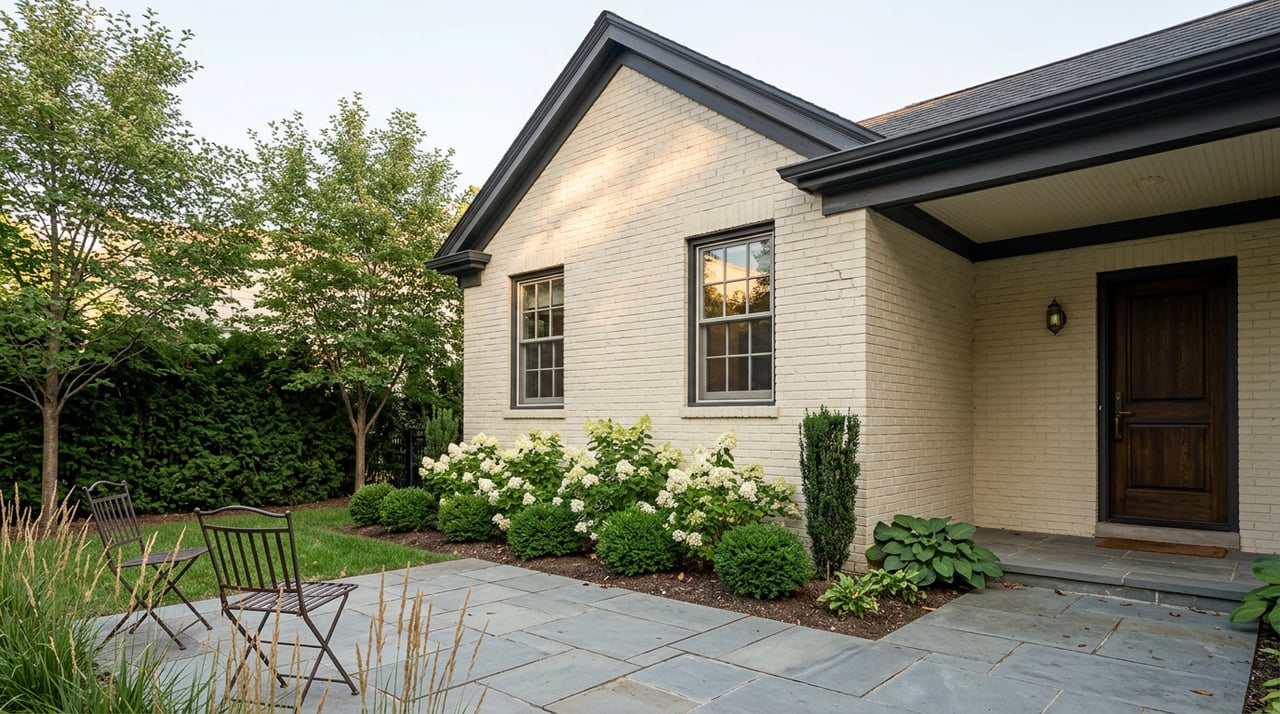
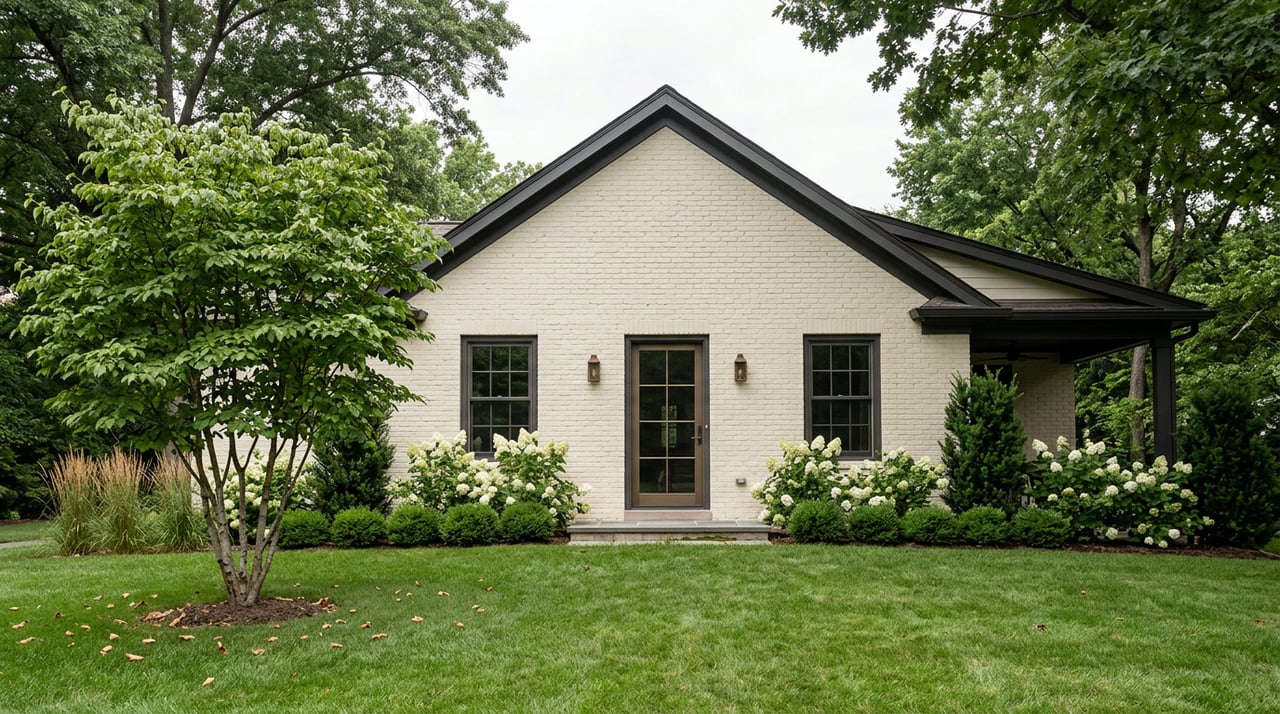
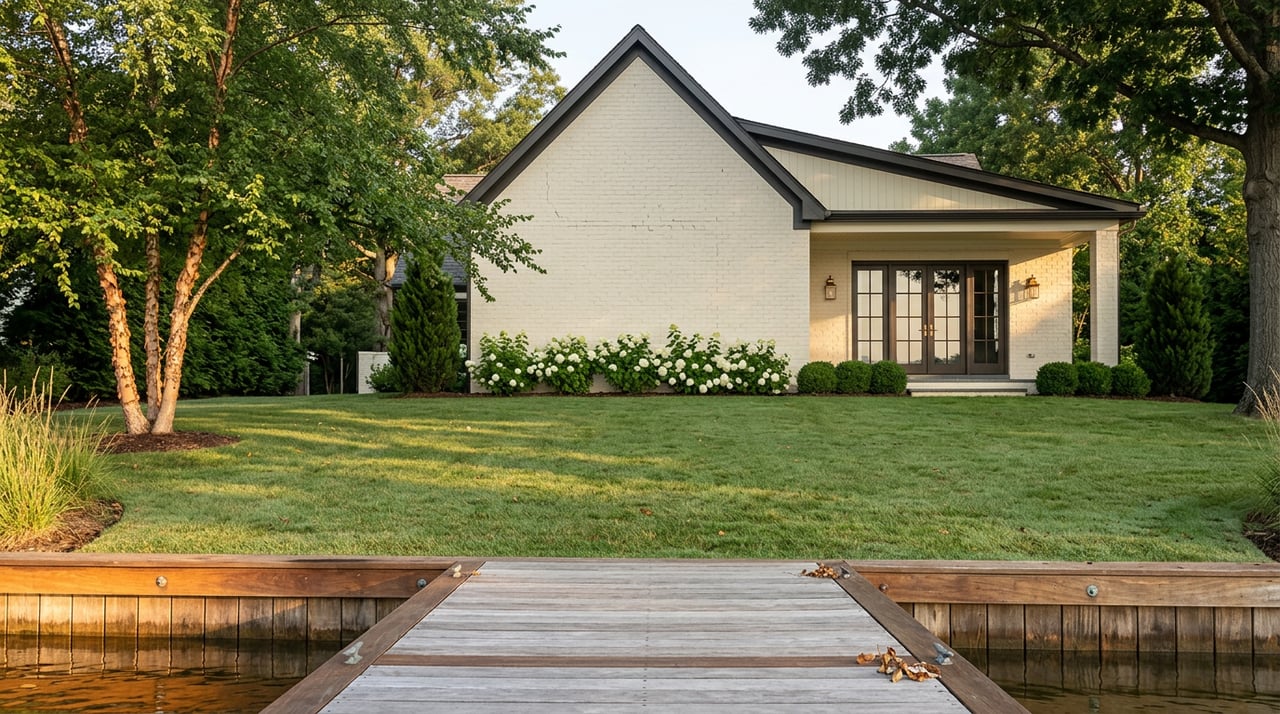
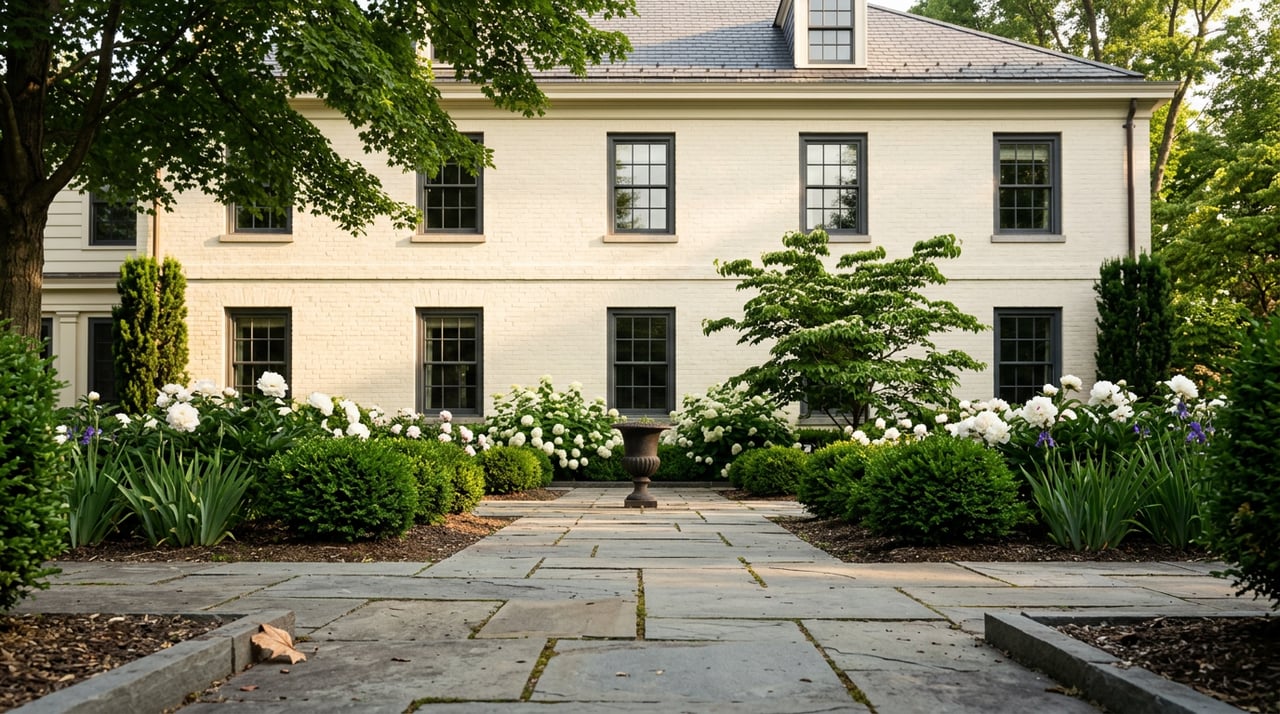
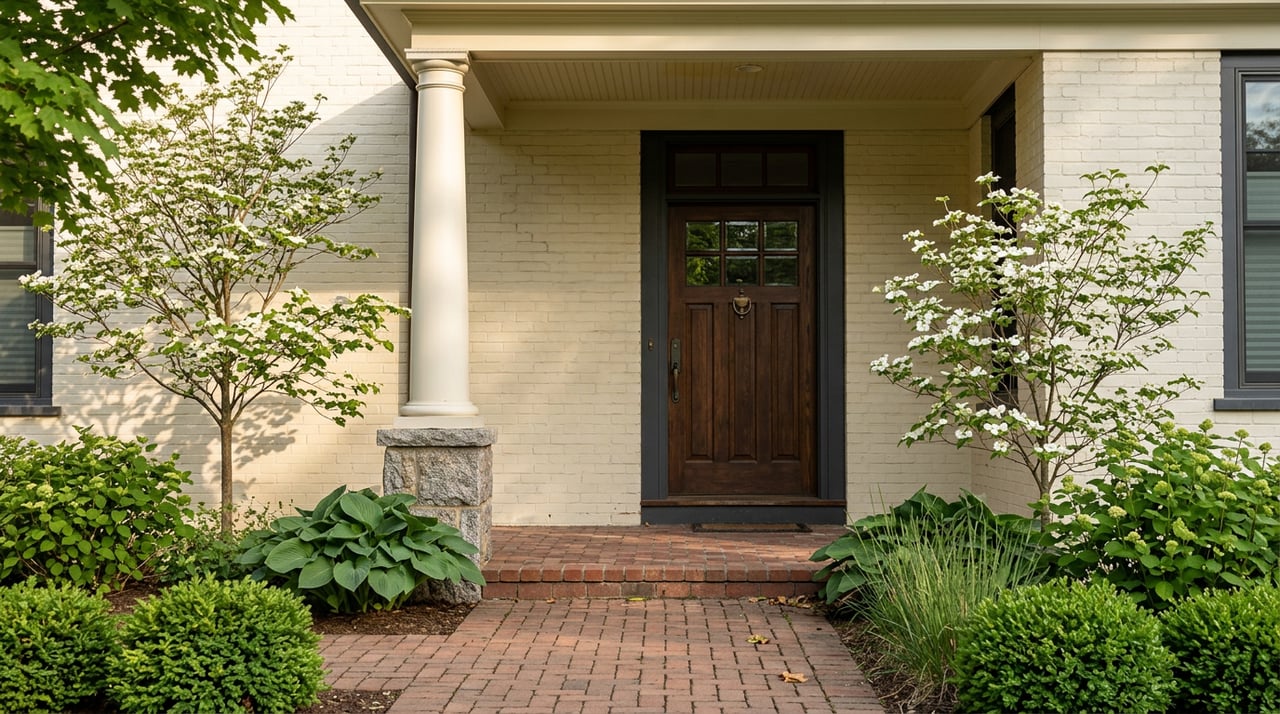
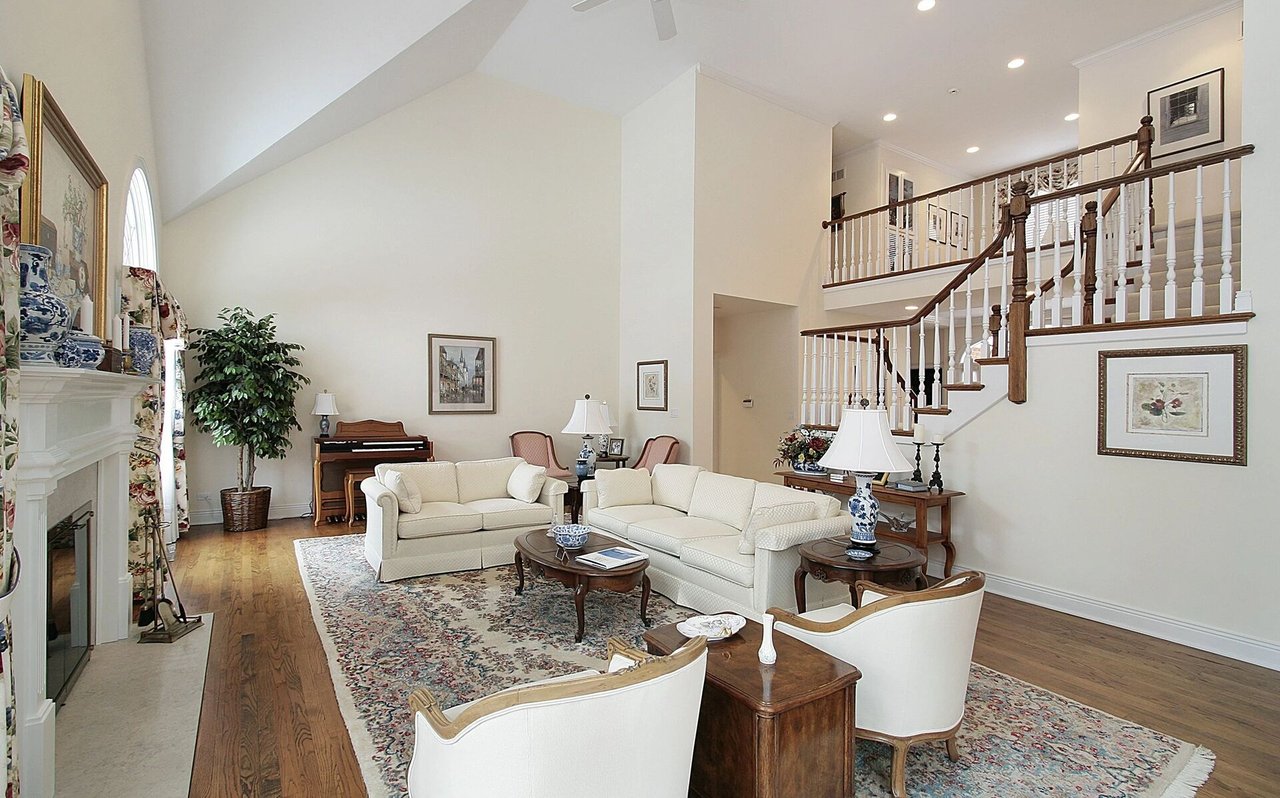
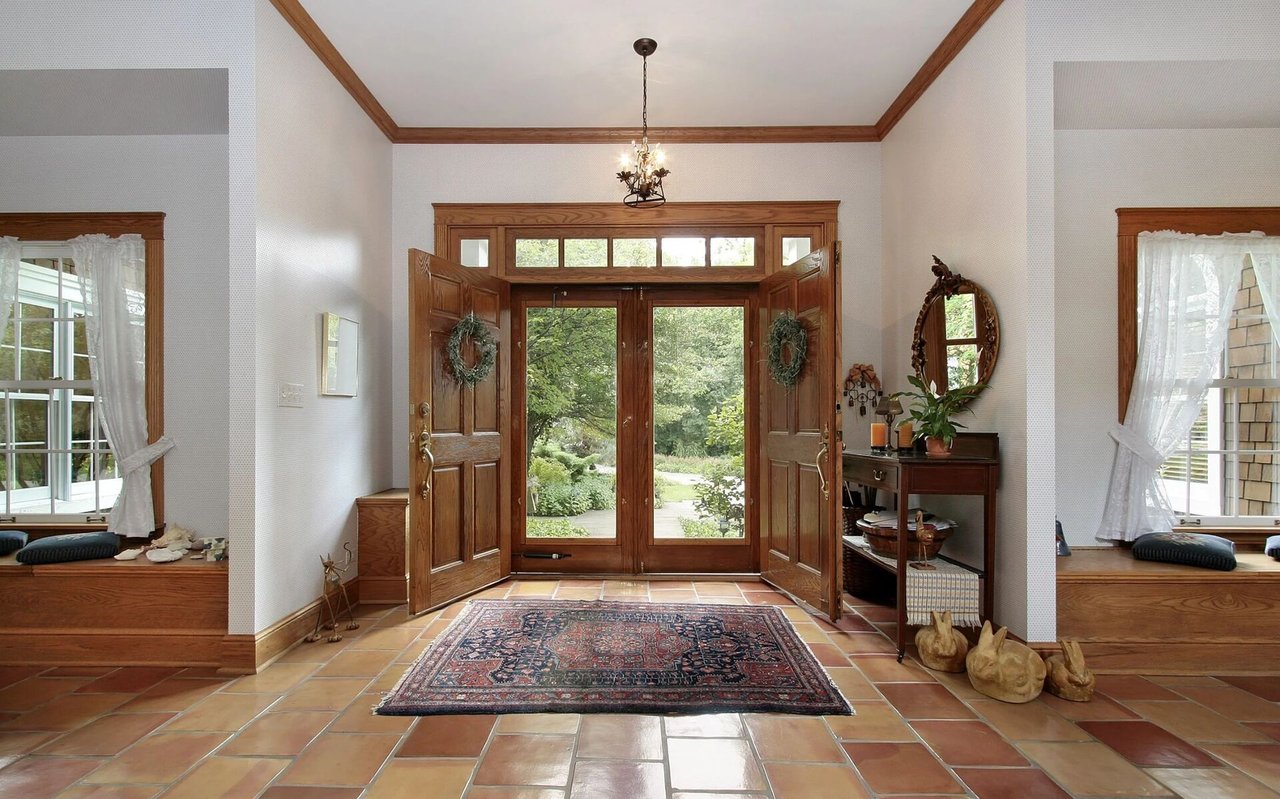
One reason Brighton attracts such a wide range of buyers is that its housing stock is not one-note. If you want a neighborhood where every home looks the same, Brighton may not be that place. If you value architectural variety and the ability to compare different layouts, lot settings, and home eras, that is where Brighton shines.
The town has an active Historic Preservation Commission and a framework for identifying architecturally significant properties. That speaks to how seriously Brighton takes its built environment and why some neighborhoods hold a strong sense of character over time.
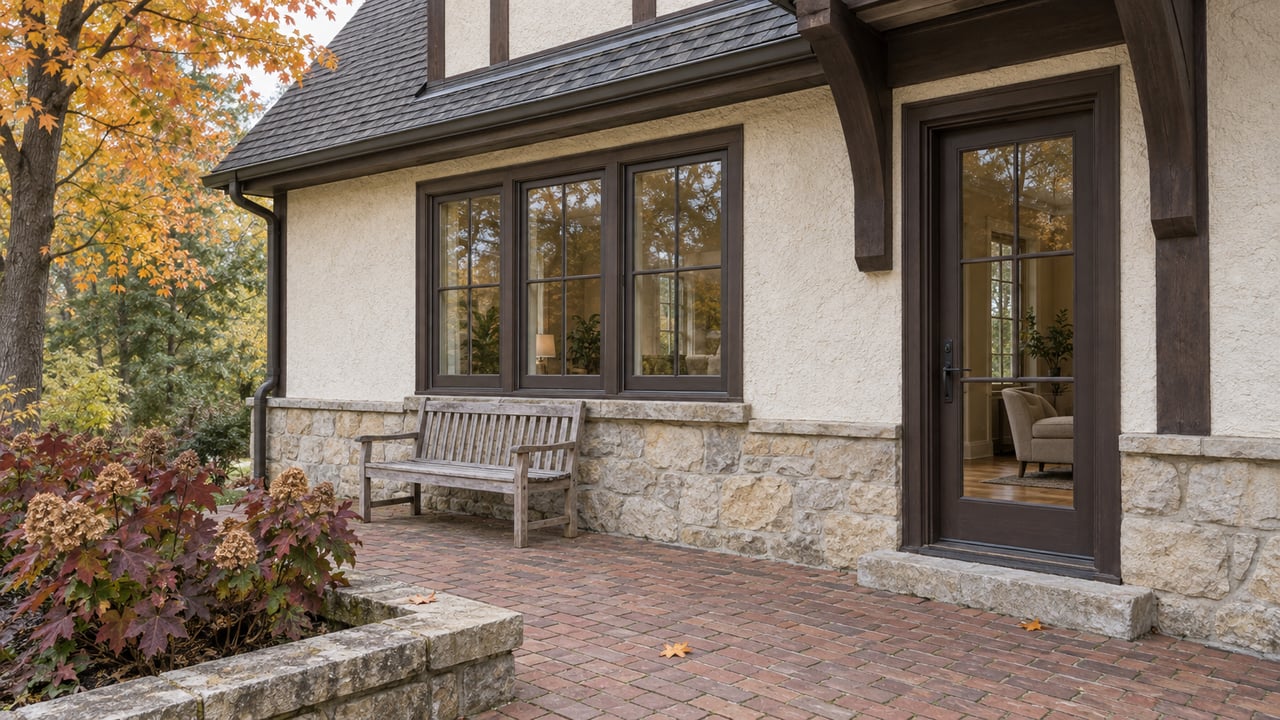
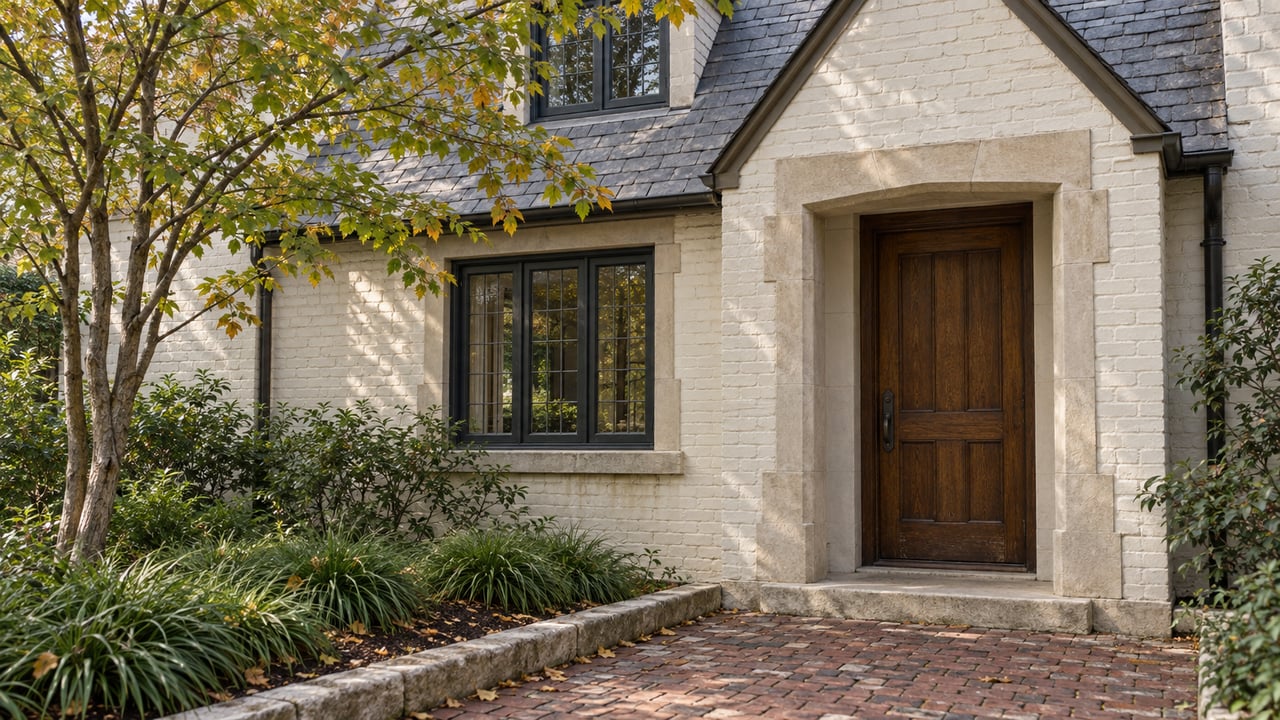
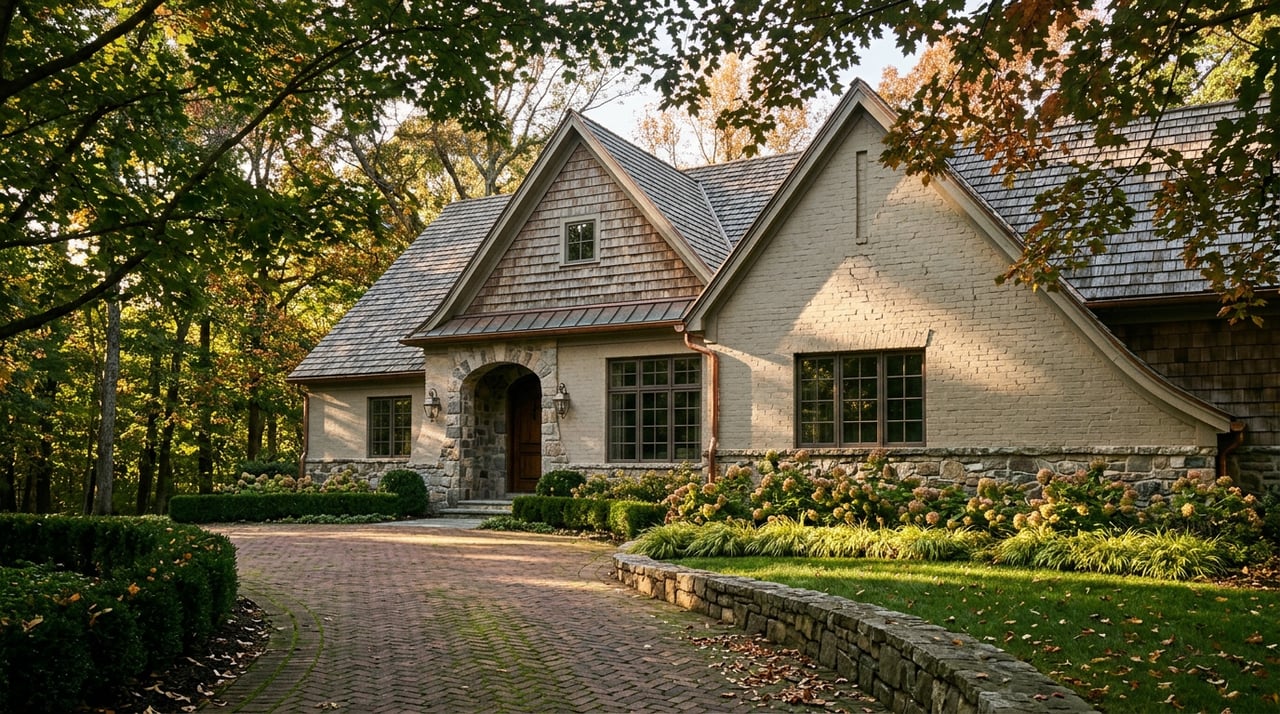
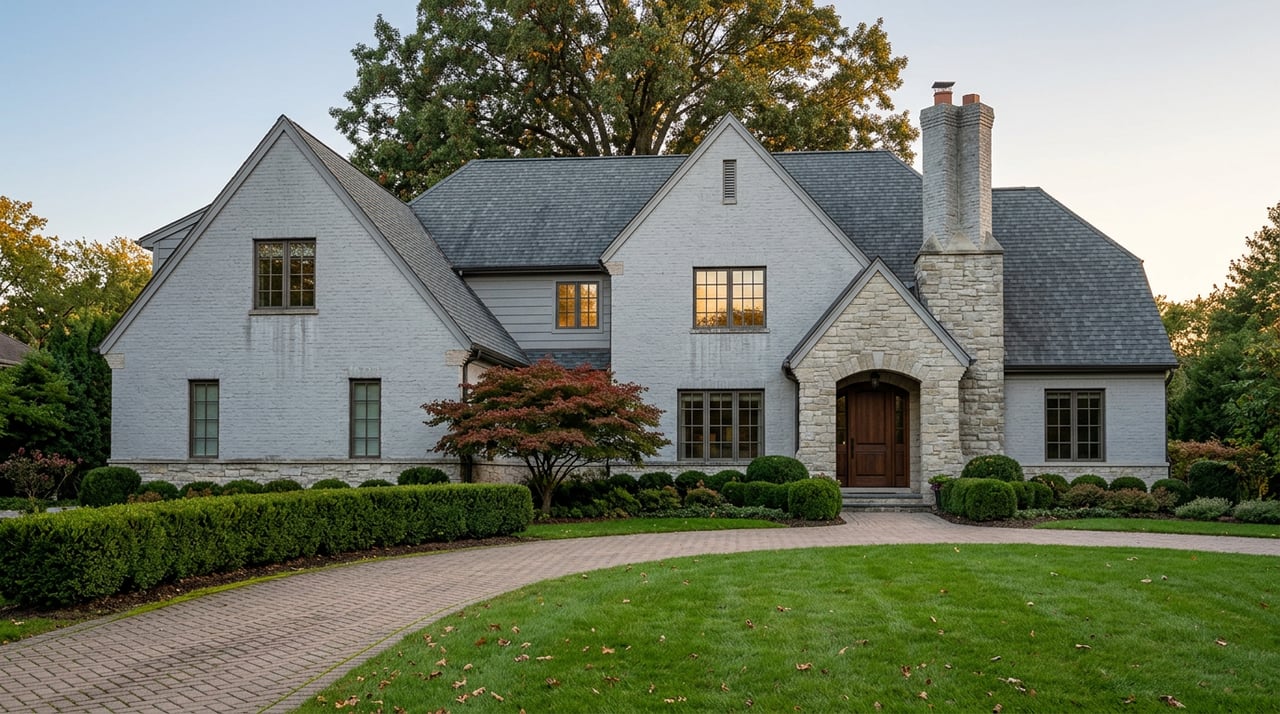
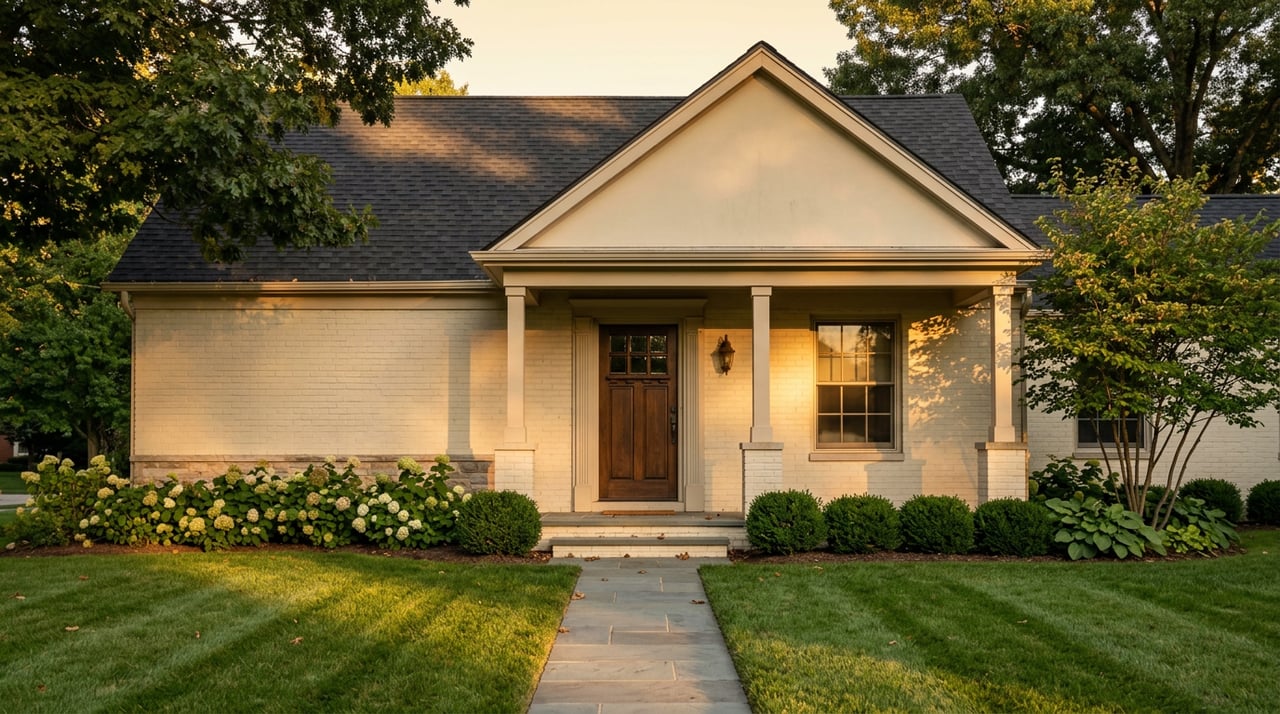
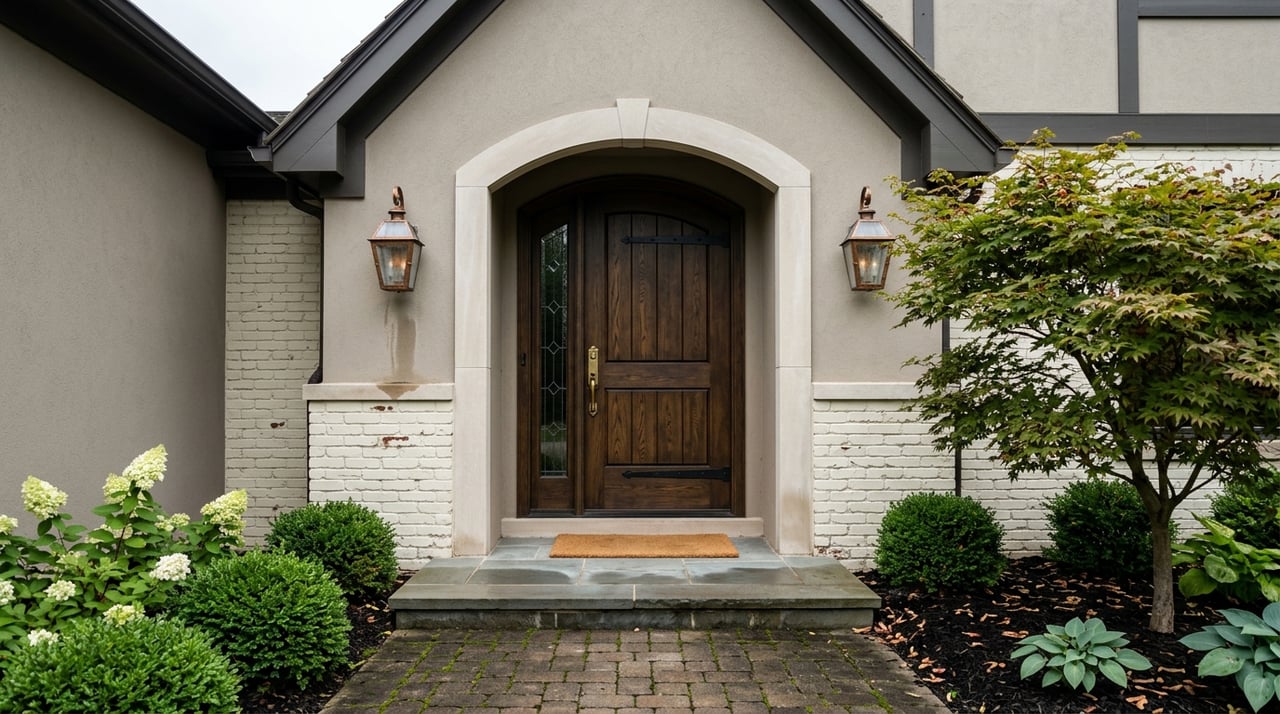
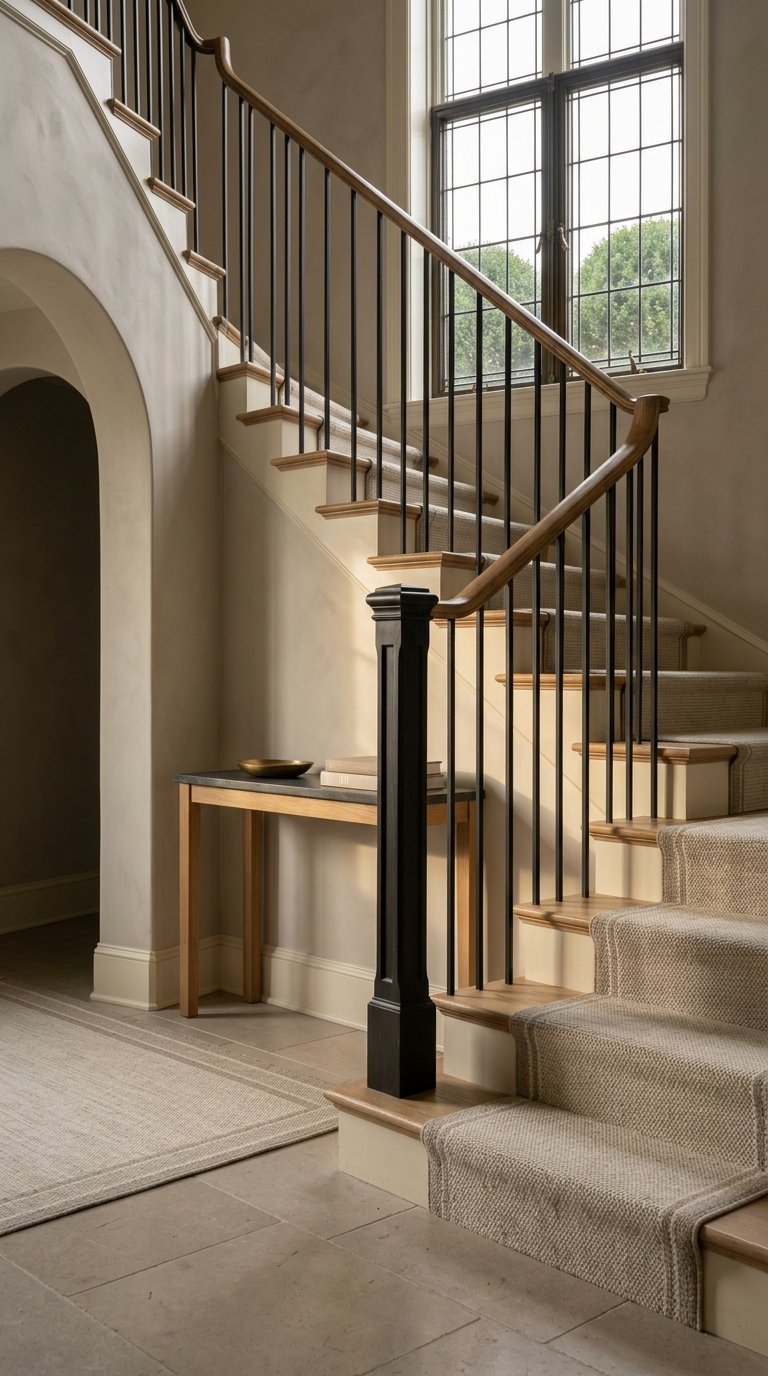
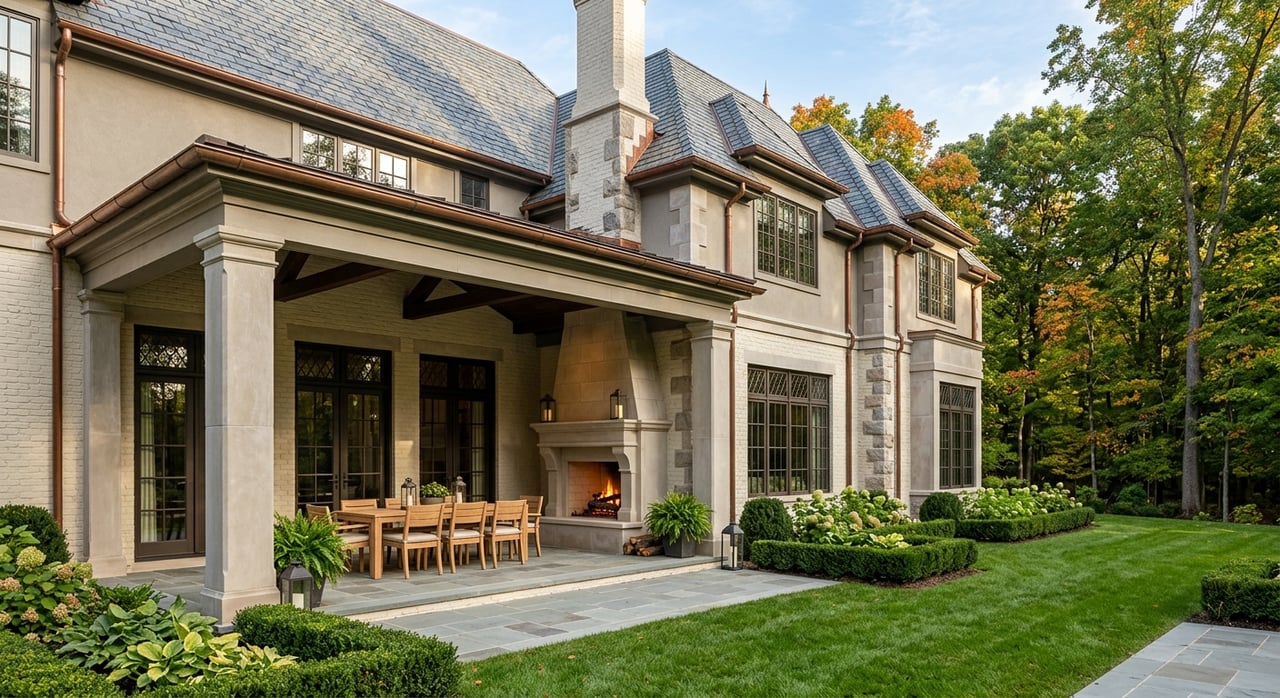
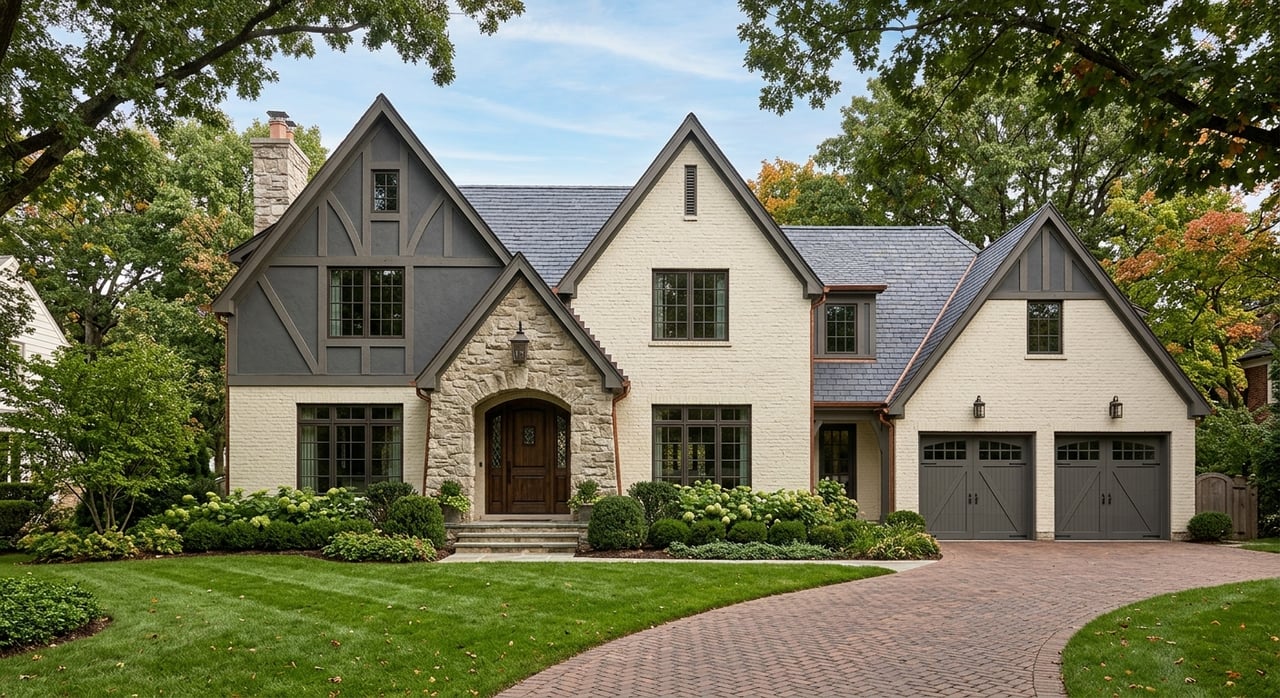
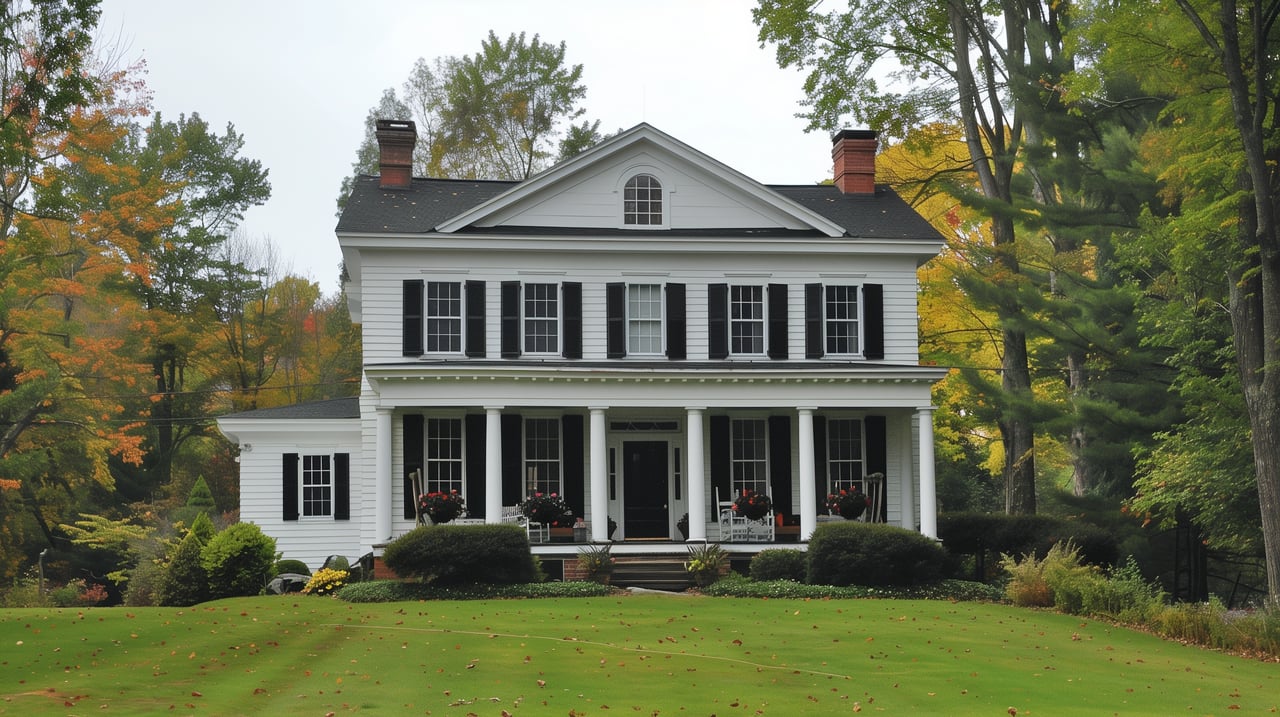
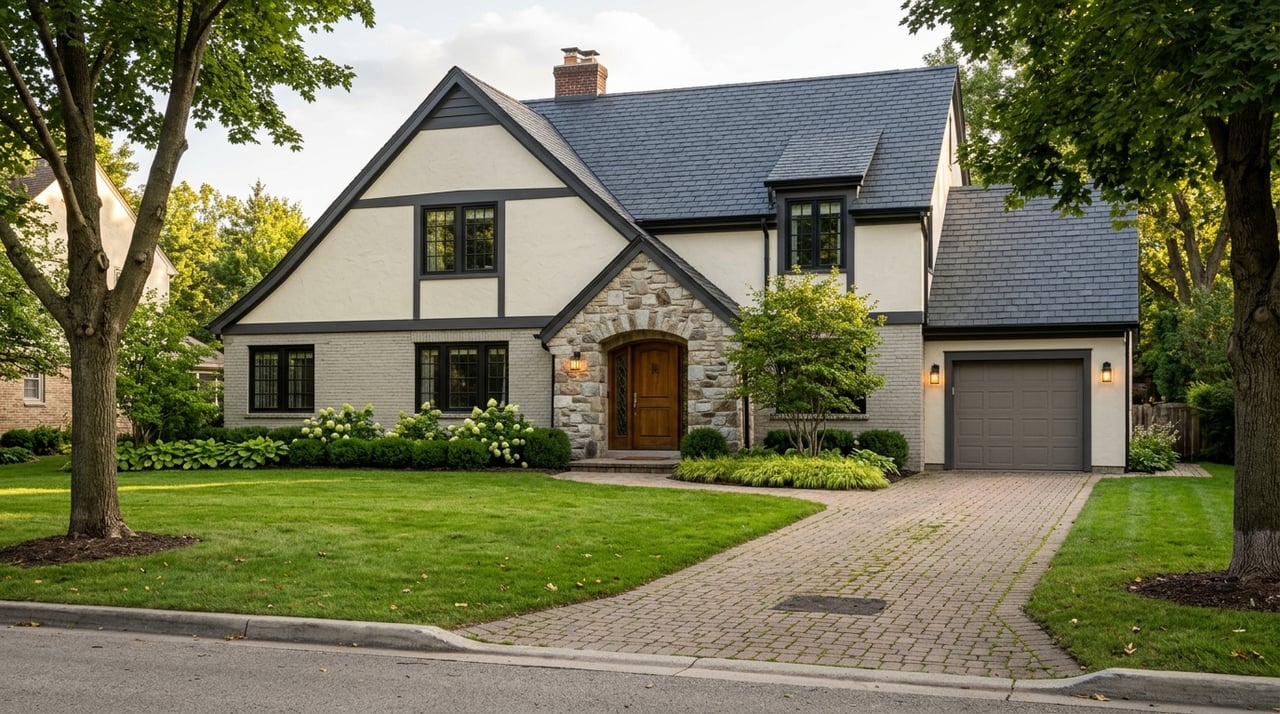
A 2024 cultural resources survey for 321 Council Rock Avenue offers a useful snapshot of the town’s architectural mix. It describes an early-20th-century streetscape later joined by postwar ranches, split-levels, Colonial Revivals, and Tudor Revivals. In practical terms, that means your home search in Brighton may include very different styles, even within a relatively small area.
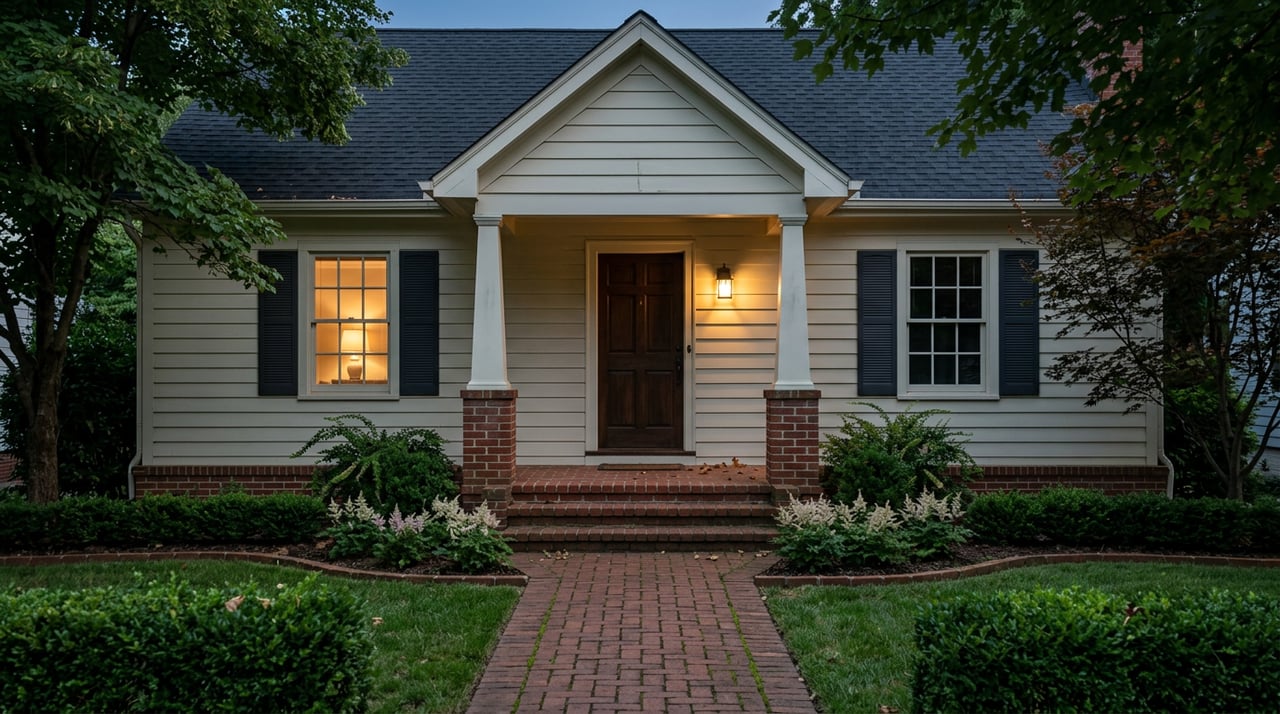
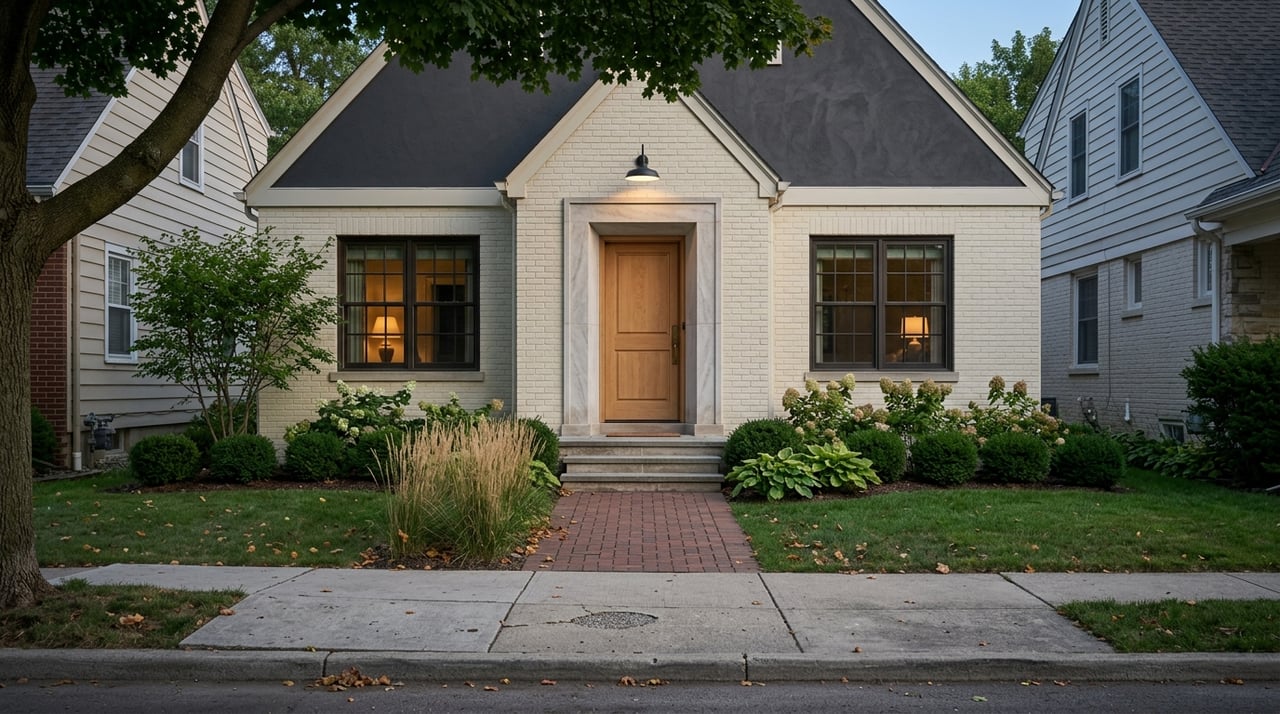
The town’s own sales data by home style reinforces the same point. Comparable sales are organized by categories such as Ranch, Split Level, Raised Ranch, Cape Cod/Cottage/Bungalow, and Colonial/Contemporary/Mansion/Oldstyle/Tudor. That is a strong reminder that value in Brighton depends on both architecture and micro-location, not just square footage.
Twelve Corners Helps Define Brighton
If there is one area that captures Brighton’s identity especially well, it is Twelve Corners. A town design study describes it as both a commuter corridor and an urban village center with commercial, residential, and school campuses.
That combination helps explain why Twelve Corners often feels like a central reference point for the community. It is not urban in the downtown sense, but it does offer one of Brighton’s clearest examples of a more mixed-use, active core. For many buyers, that adds to the town’s appeal because daily errands and local destinations feel more integrated into everyday life.
Access Is a Big Part of the Value
Brighton’s location works well for people who want to stay connected to the greater Rochester area. The town’s recreation and parks map highlights major routes including I-590, I-490, and I-390 within Brighton’s core geography.
That road network supports one of Brighton’s biggest lifestyle advantages: manageable travel times. The Census reports a mean travel time to work of 16.9 minutes, while Redfin’s Brighton market page labels the town car-dependent overall, with a Walk Score of 29, Transit Score of 28, and Bike Score of 45.
In other words, Brighton is still a suburb where driving plays a major role, but it also gives you relatively short commutes compared with many outer-ring locations. The town has also invested in traffic flow improvements. Its I-590/Winton Road project page says the diverging diamond interchange was built to address backups and improve movement at that access point.
Trails and Parks Add Everyday Convenience
Brighton’s appeal is not just about roads and resale value. It also comes from how easy it is to work outdoor activity into a normal week. That can be a major quality-of-life benefit, especially if you want green space nearby without moving far from the city.
Brighton Town Park includes a blacktop walkway that leads directly to the NYS Erie Canal Path. The Highland Crossing Trail also connects Brighton and Rochester while linking the Erie Canalway Trail in the south with the Genesee Riverway Trail in the northwest.
Those connections help Brighton feel plugged into something larger than its town lines. Even though the community is suburban in layout, trail access gives you another way to experience the area and adds a practical lifestyle feature that many buyers now prioritize.
Community Amenities Support the Lifestyle
Brighton also stands out because it offers year-round amenities that help residents stay connected to the community. The town sponsors a weekly, producer-only Brighton Farmers Market, which was founded in 2008.
The same town resource notes that Brighton also maintains a 100-plot organic community garden next to the Buckland House. These features may not be the first thing you see in a market report, but they help shape how a place feels to live in day to day.
For buyers, that can reinforce Brighton’s staying power. For sellers, it adds context when explaining why demand remains steady. People are often drawn not just to a house, but to the routines and amenities that come with the location.
Why Buyers Keep Competing in Brighton
Brighton’s reputation shows up clearly in the numbers. According to Redfin’s February 2026 market snapshot, the median sale price was $362,000, median days on market were 21, the sale-to-list ratio was 106.1%, and 34.8% of homes sold above list price.
That is the kind of data you typically see in a market where demand is still strong. Redfin also labels Brighton as very competitive, with many homes receiving multiple offers.
For buyers, this means preparation matters. Financing, timing, neighborhood knowledge, and the ability to compare home styles quickly can make a real difference. For sellers, it means presentation and pricing still matter, even in a high-demand area, because buyers in Brighton often evaluate homes closely based on style, condition, and exact location.
What This Means for You
If you are buying in Brighton, it helps to think beyond the town name alone. Because Brighton is largely built out and has a wide mix of housing styles, your experience can vary a lot from one pocket to another. Looking at comparable sales by style and micro-location is often more useful than relying on townwide averages.
If you are selling, Brighton’s popularity is an advantage, but it is not a reason to take shortcuts. Buyers are drawn to the town for specific reasons, including established neighborhoods, architectural character, commute convenience, and trail access. The more clearly your home connects to those strengths, the stronger your market position can be.
Brighton became one of Rochester’s hottest addresses because it offers a combination that is hard to replicate: history, location, variety, and convenience in one compact suburb. If you want expert guidance on buying or selling in Brighton with a team that knows how to position homes and navigate competitive conditions, connect with High Falls | Sotheby's International Realty.
FAQs
Why is Brighton, NY so popular with homebuyers?
- Brighton appeals to many buyers because it offers established neighborhoods, a range of home styles, relatively short commute times, trail access, and close proximity to Rochester.
What types of homes can you find in Brighton, NY?
- Brighton includes a mix of ranches, split-levels, raised ranches, Cape Cod and cottage-style homes, Colonials, Tudors, and other older and newer architectural styles.
Is Brighton, NY a competitive real estate market?
- Yes. Redfin’s February 2026 data shows Brighton is a very competitive market, with a 106.1% sale-to-list ratio, 21 median days on market, and 34.8% of homes selling above list price.
Does Brighton, NY offer trail and park access?
- Yes. Brighton Town Park connects to the NYS Erie Canal Path, and the Highland Crossing Trail links Brighton with Rochester and larger regional trail systems.
What makes Brighton different from newer suburbs near Rochester?
- Brighton is largely built out and developed over many decades, which gives it more established streetscapes, mature landscaping, and greater architectural variety than many newer suburban communities.